How I Survived a Debt Crisis by Mastering the Investment Cycle
Debt crises don’t just drain your bank account—they shake your confidence. I’ve been there, overwhelmed and stuck in a cycle of payments with no clear way out. But what if managing debt isn’t just about cutting costs, but also about smart, strategic investing? This is the real game-changer. In this article, I’ll walk you through how aligning debt management with the investment cycle can protect your finances and rebuild your future—without risky bets or false promises. It’s not about getting rich overnight. It’s about regaining control, making informed choices, and using time and discipline as your greatest allies. This is a journey many face in silence, but one that, when navigated wisely, can lead to lasting financial strength.
The Breaking Point: When Debt Overwhelms
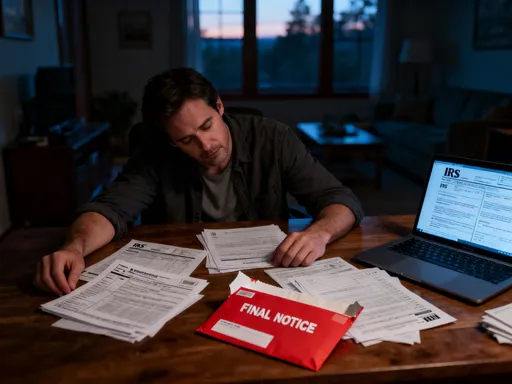
For many, the path to a debt crisis begins quietly. It starts with a credit card payment deferred, a medical bill pushed to next month, or a home repair charged to plastic. These small decisions rarely feel dangerous at the time. But over months or years, they accumulate—like water rising beneath a bridge, unseen until it overflows. The moment of crisis often arrives not with a single event, but with a growing sense of helplessness. Paychecks are absorbed before they land. Interest compounds faster than savings grow. And the emotional weight becomes as heavy as the financial burden.
This stage is not defined by irresponsibility, but by a lack of systemic planning. Life happens: job transitions, family needs, unexpected expenses. Without a financial buffer or a long-term strategy, credit becomes a crutch. And when income fluctuates or stops, the structure collapses. The psychological toll is profound. Anxiety, shame, and isolation are common. Many women in their 30s to 50s—balancing family, work, and caregiving—find themselves in this position not by choice, but by circumstance. They are not reckless spenders. They are resilient individuals caught in a system that rewards quick fixes over sustainable habits.
The turning point comes when survival is no longer enough. It’s the moment you realize that cutting out coffee or skipping dinners out won’t close a $20,000 gap. Real change requires a shift in mindset. It means moving from reaction to strategy, from short-term fixes to long-term rebuilding. That shift begins with honesty: acknowledging the full scope of debt, income, and spending. It means facing the numbers without judgment. And it opens the door to a more powerful truth—debt doesn’t have to be the end of financial hope. It can be the catalyst for a smarter, more intentional approach to money.
Rethinking Debt: From Burden to Strategic Lever
Not all debt is created equal. This is a fundamental insight that transforms financial recovery from punishment into planning. High-interest credit card debt, payday loans, and unsecured lines of credit are often destructive. They grow quickly, drain cash flow, and offer no long-term value. These are the debts that must be prioritized for elimination. But other forms of debt—such as a mortgage on a home or a loan for education or a business—can be productive. They are tied to assets that may appreciate or generate income. The key difference lies in purpose and cost.
Professionals in finance don’t avoid debt altogether. They manage it strategically. They understand that leverage—using borrowed money to build wealth—can be powerful when used wisely. A home loan, for example, allows someone to build equity over time. A business loan can fund growth that leads to higher income. The distinction isn’t moral; it’s economic. Destructive debt consumes resources. Productive debt, when managed well, creates them. The challenge in a debt crisis is to separate the two and respond accordingly.
This mindset shift is especially important for women who may have taken time away from work for family, reducing earning potential or retirement savings. In such cases, strategic debt—like refinancing a high-interest mortgage at a lower rate—can free up monthly cash flow for investing or emergency savings. The goal is not to eliminate all debt immediately, but to reduce the most harmful forms while preserving or creating opportunities for growth. This balanced approach prevents the all-or-nothing thinking that often leads to burnout or relapse into old habits.
Reframing debt also means recognizing that repayment is not just a financial act, but a psychological one. Each payment becomes a step toward reclaiming control. When you understand that you’re not just paying off a balance, but reshaping your financial future, the process gains meaning. This sense of agency is critical. It turns a burden into a tool—a lever you can use to lift yourself into a more secure position.
The Investment Cycle Decoded: Timing Is Everything
The investment cycle is a natural rhythm of the economy. It moves through four phases: expansion, peak, contraction, and trough. Each phase affects interest rates, asset prices, and consumer confidence. Understanding where we are in this cycle doesn’t allow you to predict the future, but it does help you make better decisions in the present. You don’t need to be an economist to benefit from this awareness. You just need to recognize patterns and adjust your behavior accordingly.
During the expansion phase, the economy grows. Jobs are created, wages rise, and consumer spending increases. Stock markets tend to rise, and real estate values climb. Interest rates may start low but gradually increase as demand for credit grows. This is a time of optimism. But it’s also when overconfidence can lead to poor choices—like taking on too much debt or buying assets at inflated prices. The peak follows, when growth slows and markets reach their highest levels. Prices are high, and risk increases. This is not the time to stretch financially. It’s the time to prepare for what comes next.
The contraction phase brings economic slowdown. Companies may cut jobs, spending declines, and asset prices fall. Interest rates may drop as central banks try to stimulate the economy. This is often when fear takes over. People sell investments at a loss, freeze spending entirely, or avoid opportunities that could benefit them long-term. Then comes the trough—the lowest point. Activity is minimal, but conditions begin to stabilize. This is when smart investors start looking for value. Prices are low, and the next expansion is on the horizon.
For someone recovering from debt, this cycle matters deeply. It informs when to invest, when to save, and when to focus solely on repayment. For example, trying to invest heavily during a peak—when prices are high—increases risk. But waiting until the trough to begin investing, even in small amounts, can lead to stronger long-term returns. The same logic applies to debt: refinancing during a period of low interest rates (often in contraction or trough) can reduce monthly payments and total interest paid. Timing doesn’t guarantee success, but it improves the odds.
Aligning Debt Repayment with Market Phases
The most powerful financial strategy is not to treat debt and investing as opposites, but as complementary actions guided by economic context. The key is alignment—matching your financial behavior to the phase of the investment cycle. This doesn’t require perfect timing or market predictions. It requires awareness and flexibility. When you understand the broader environment, you can make smarter choices about where your money goes and when.
During the expansion phase, income is more stable, and job markets are strong. This is the ideal time to accelerate debt repayment. Any extra income—bonuses, tax refunds, side hustle earnings—should be directed toward high-interest debt. At the same time, it’s wise to begin or increase contributions to low-cost investment vehicles, such as index funds. These benefit from rising markets, and dollar-cost averaging allows you to build wealth gradually without trying to time the peak. The goal is balance: reduce debt while planting seeds for future growth.
At the peak, caution becomes essential. Markets are at their highest, and the risk of a downturn increases. This is not the time to take on new debt or make large, speculative investments. Instead, focus on strengthening your financial position. Build your emergency fund. Avoid lifestyle inflation. If you have variable-rate debt, consider refinancing to a fixed rate to protect against rising interest costs. The priority is preservation—locking in gains and protecting cash flow.
During contraction, income may become less predictable. Job security can weaken, and expenses may rise even as asset values fall. In this phase, the focus shifts to survival and stability. Aggressive investing should pause. Instead, maintain minimum debt payments and protect liquidity. Avoid selling investments at a loss to pay debt unless absolutely necessary. If possible, continue small, consistent investments. This takes advantage of lower prices and sets the stage for growth in the next cycle. The trough, while difficult, offers quiet opportunities. With discipline, you can emerge from this phase with less debt and a stronger foundation.
Risk Control: Protecting Yourself Without Freezing
Fear is a natural response to financial crisis. The instinct is often to freeze—to stop spending, stop investing, stop moving altogether. But financial health doesn’t come from inaction. It comes from managed risk. Risk cannot be eliminated, but it can be reduced through structure, preparation, and emotional discipline. The goal is not to avoid all danger, but to navigate it wisely.
One of the most effective tools is the emergency fund. Having three to six months of living expenses in a liquid, accessible account provides a buffer against surprise costs. This fund prevents the need to use credit cards for car repairs, medical bills, or job loss. It reduces the emotional pressure that leads to poor decisions. For women managing households, this fund is not a luxury—it’s a necessity. It provides peace of mind and the freedom to make choices based on strategy, not panic.
Diversification is another pillar of risk control. This means not putting all your money into one investment, one job, or one income stream. It could mean holding a mix of stocks, bonds, and cash. It could mean developing skills that allow for side income. It could mean ensuring that household finances don’t rely solely on one person’s earnings. Diversification spreads risk and increases resilience. When one area suffers, others may hold steady or even grow.
Equally important is avoiding emotional decisions. Markets will fluctuate. Debt repayment will feel slow. Progress may seem invisible. But discipline matters more than speed. Selling investments during a downturn locks in losses. Taking on new debt to cover old debt often makes the problem worse. Staying the course—following a clear plan, adjusting as needed, but not abandoning it—builds long-term strength. Risk control is not about fear. It’s about confidence built on preparation.
Practical Moves: Tools and Tactics That Work
Recovery from debt is not built on grand gestures, but on consistent, practical actions. The most effective strategies are simple, repeatable, and sustainable. They don’t require large sums of money or financial expertise. They require commitment and clarity. The first step is prioritization. List all debts by interest rate, not balance. Focus on paying off the highest-interest debt first while making minimum payments on others. This is known as the avalanche method, and it saves the most money over time.
Refinancing can also be a powerful tool. If interest rates have dropped since you took out a loan, or if your credit has improved, you may qualify for a lower rate. This applies to credit cards, auto loans, and mortgages. Lower rates reduce monthly payments and total interest, freeing up cash for other goals. But refinancing only works if you avoid increasing your spending. The benefit is lost if you use the extra money to buy more things.
Automation removes emotion from the process. Set up automatic payments for bills and debt. Schedule automatic transfers to savings and investment accounts. This ensures consistency, even during busy or stressful times. It also builds habits without requiring daily decisions. Windfalls—tax refunds, bonuses, gifts—should be handled with intention. Allocate a portion to debt repayment, a portion to savings, and a small portion to personal needs. This balances progress with compassion.
Investing, even during repayment, is possible. Low-cost index funds offer broad market exposure with minimal fees. Dollar-cost averaging—investing a fixed amount regularly—reduces the impact of market volatility. Starting early, even with small amounts, leverages the power of compound growth. A $50 monthly investment can grow significantly over 10 or 20 years. The key is to start, not to wait until debt is gone. Financial health is not a linear path. It’s a balance of moving forward on multiple fronts at once.
Building Forward: Wealth as a Byproduct of Discipline
Emerging from a debt crisis is not the end of the journey. It’s the beginning of a new relationship with money. True financial strength is not measured by a single number, but by consistency, resilience, and clarity. The lessons learned during hardship—budgeting, prioritizing, resisting impulse—become the foundation of lasting wealth. And wealth, in this context, is not just about money. It’s about freedom. Freedom to make choices, to handle surprises, to support your family without constant worry.
Mastering the investment cycle doesn’t mean chasing returns. It means understanding context and acting with intention. It means knowing when to push forward and when to hold back. It means treating debt not as a moral failure, but as a financial condition to be managed. This mindset shift is the real transformation. It replaces shame with strategy, fear with focus.
For women in their 30s to 50s, this approach is especially empowering. It acknowledges the complexity of their roles—caretakers, earners, planners—without oversimplifying the challenges. It offers a path that is realistic, not rigid. It allows for progress without perfection. And it recognizes that financial recovery is not a solo act, but a series of smart, steady steps taken over time.
There are no shortcuts to financial stability. But there is a way forward. It begins with a single decision—to take control, to learn, to act. It grows through repetition and patience. And it leads to a future where money is not a source of stress, but a tool for living well. That future is not guaranteed. But it is possible. And it starts today.