Lost in the Charm of Ipoh’s Hidden Corners
You know that feeling when a place just gets you? Ipoh, Malaysia, hit me like a quiet thunderclap. I went in chasing famous street food, but stayed for the misty limestone hills, silent temple caves, and colonial streets whispering stories. This isn’t just another tourist stop—it’s a soul-soothing escape where nature and heritage blend seamlessly. From dawn walks through cave temples to sipping white coffee beneath pastel-colored eaves, every moment here feels intentional, unhurried, and deeply human. Let me take you through the spots that left me absolutely speechless, and perhaps, help you find your own quiet thunderclap.
Discovering Ipoh’s Natural Wonders
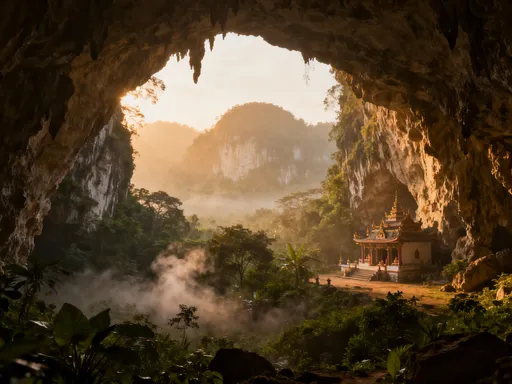
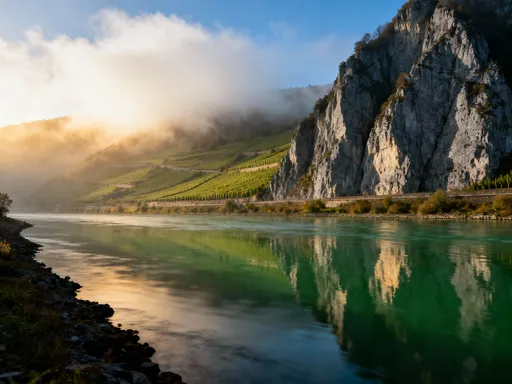
At the heart of Ipoh’s allure lies its dramatic natural landscape—towering limestone karsts that rise like ancient sentinels around the city. These jagged formations, shaped over 400 million years, are not just geological marvels; they are living parts of daily life. Within their folds lie temple caves that have drawn pilgrims, monks, and curious travelers for generations. Kek Lok Tong, one of the most expansive cave temple complexes in Malaysia, offers a journey that begins with a tranquil lake and unfolds through a network of man-carved tunnels, adorned with golden Buddhas and echoing chants. The air inside is cool and still, carrying the faint scent of incense, while soft lighting highlights stalactites that drip slowly with time’s patience.
Equally captivating is Sam Poh Tong, the “Three Buddhas Cave,” originally a limestone quarry transformed into a sanctuary in the 1940s by Buddhist monks. Its winding staircases lead visitors through dimly lit chambers where meditation altars sit beside natural rock pools. What makes these sites so powerful is not just their beauty, but their atmosphere—a rare stillness that invites introspection. Morning is the ideal time to visit, when sunlight filters gently through cave openings and the echoes of prayer mingle with birdsong outside. These spaces are not staged for tourists; they are lived-in, respected, and quietly maintained by local devotees.
The karst formations themselves tell a story of slow transformation. Formed from ancient coral reefs submerged beneath prehistoric seas, they were thrust upward by tectonic shifts and eroded by rain and time into the dramatic hills that now define Ipoh’s skyline. Their porous structure has created an underground world of tunnels, chambers, and hidden streams—part of a larger geological belt stretching across northern Peninsular Malaysia. For geology enthusiasts or simply curious travelers, understanding this deep-time history adds another layer to the experience. It’s humbling to walk where the Earth has been shaping itself long before human memory.
Yet, these natural wonders are not reserved for experts or adventurers. Families, seniors, and solo travelers alike navigate the gently sloped pathways and well-lit interiors with ease. Handrails line the steps, and signs in multiple languages guide the way. The blend of accessibility and reverence makes these sites uniquely inclusive. Whether you come for spiritual reasons, natural beauty, or cultural insight, the limestone caves of Ipoh offer a rare convergence of all three—a place where geology, faith, and human care coexist in quiet harmony.
The Magic of Ipoh’s Old Town
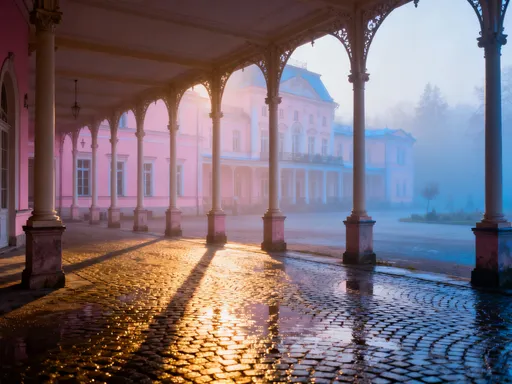
Stepping into Ipoh’s Old Town is like entering a living postcard from the early 20th century. Rows of colonial-era shophouses, painted in soft pinks, mint greens, and buttery yellows, line wide, tree-shaded streets. Built during the tin-mining boom of the 1880s to 1920s, these buildings reflect a blend of British administrative design and traditional Chinese craftsmanship. Arched windows, intricate plasterwork, and covered walkways—known locally as “five-foot ways”—create a rhythm of light and shadow that changes with the sun’s arc. It’s a neighborhood designed for strolling, lingering, and discovering.
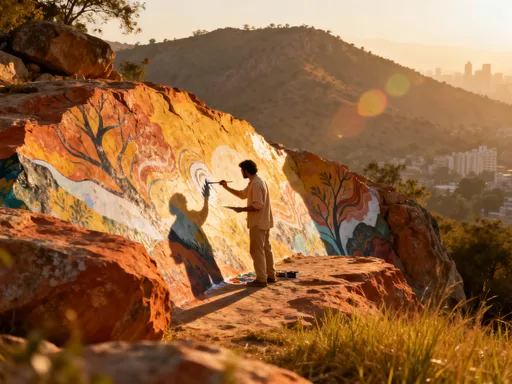
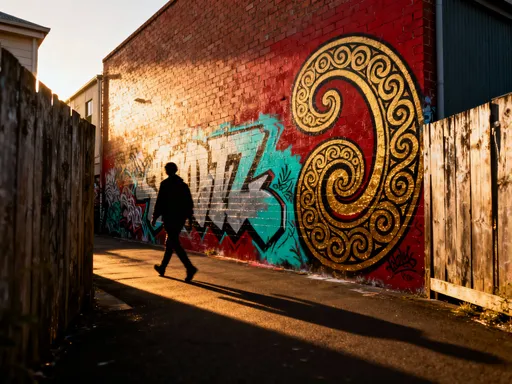
What makes the Old Town truly special is its balance between preservation and vitality. Unlike museum-like historic districts frozen in time, Ipoh’s core remains a working, breathing part of the city. Antique shops sit beside art galleries, and century-old bakeries serve flaky curry puffs alongside modern cafés pouring locally roasted white coffee. Street art adds a contemporary pulse—murals depicting local trades, historical figures, and whimsical animals appear on once-blank walls, often painted by Malaysian artists as part of community revitalization projects. These artworks don’t clash with the heritage aesthetic; instead, they dialogue with it, creating a layered narrative of past and present.
One of the most beloved traditions here is the morning kopi tiam ritual. These traditional coffee shops, often family-run for generations, are more than places to eat—they are community hubs. At places like Nam Heong or Sin Yoon Loong, stainless steel counters gleam under fluorescent lights as servers in aprons pour steaming cups of Ipoh white coffee, a regional specialty made from beans roasted with palm oil margarine. The drink is smooth, slightly sweet, and never bitter—a perfect companion to soft-boiled eggs and toasted kaya toast. Sitting at a Formica table, watching neighbors chat over breakfast, you begin to understand how daily life in Ipoh moves at a pace that values connection over convenience.
The city’s commitment to heritage conservation is evident in its restoration efforts. Damaged facades have been carefully repaired using original materials and techniques, while new businesses are encouraged to respect the architectural character of the district. Local authorities work with heritage groups to ensure that development enhances, rather than erases, the town’s identity. For visitors, this means an authentic experience—one where history isn’t behind glass, but woven into the fabric of everyday life. Walking these streets, you’re not just observing the past; you’re participating in its continuation.
Hidden Waterfalls and Jungle Escapes
Beyond the city’s limestone embrace lie quieter sanctuaries—hidden waterfalls and jungle trails that offer a different kind of immersion. A short drive from central Ipoh, Gunung Lang Recreational Park unfolds around a serene lake surrounded by karst outcrops and dense greenery. Once a tin mine, the area has been transformed into a peaceful retreat with walking paths, suspension bridges, and small temples tucked among the trees. The park is popular with local families on weekends, yet never feels overcrowded. Early mornings here are especially magical, when mist hovers above the water and kingfishers dart between branches.
For those seeking a more adventurous escape, Lubuk Rayau waterfall in Kampar is a rewarding find. Accessible via a modest hike through lowland rainforest, the waterfall cascades into a series of natural pools perfect for wading or swimming. The trail is well-marked but not heavily promoted, preserving its sense of discovery. Along the way, you’ll pass fern-covered boulders, towering canopy trees, and the occasional monitor lizard sunning itself on a rock. The sound of rushing water grows louder with each step, building anticipation until the first glimpse of the falls—a silver ribbon tumbling over mossy stone into crystal-clear basins below.
What makes these jungle escapes so valuable is their accessibility. Unlike remote national parks requiring permits or multi-day treks, places like Lubuk Rayau and Gunung Lang are within easy reach of the city, making them ideal for a half-day outing. They offer a chance to reconnect with nature without logistical complexity. Parents bring children to splash in shallow pools, couples find quiet spots beneath overhanging foliage, and solo travelers sit on rocks with notebooks or cameras, absorbing the stillness. These spaces remind us that adventure doesn’t always require grand expeditions—it can be found in the simple act of walking beneath a green canopy, listening to birds, and feeling the cool mist on your skin.
Ecologically, these areas play an important role in preserving local biodiversity. The forests around Ipoh are home to species such as the silvered leaf monkey, red junglefowl, and various hornbills, though sightings are rare and should never be expected. Conservation efforts focus on maintaining water quality, preventing littering, and educating visitors about responsible behavior. Signage in Malay and English encourages people to stay on trails, avoid feeding wildlife, and carry out all trash. These small acts of care help ensure that these natural gems remain pristine for future generations. For the mindful traveler, visiting such places becomes not just a pleasure, but a quiet act of stewardship.
Why Local Culture Elevates the Experience
No journey to Ipoh is complete without engaging with its people—the warm, unassuming residents of Perak who give the city its soul. Whether it’s the elderly woman selling yau zha gwei (crispy fried dough twists) from a roadside stall, the temple caretaker who offers you a lotus flower for prayer, or the coffee shop owner who remembers your order after just one visit, these small interactions accumulate into a deep sense of belonging. There’s a quiet dignity in the way locals go about their lives, preserving traditions without fanfare.
Language becomes a bridge. While Malay is the national language, many older residents speak Cantonese, Hakka, or Hokkien—the dialects brought by Chinese immigrants during the tin-mining era. Learning a simple greeting like “Nei hou” (Hello) or “Doh jei” (Thank you) in Cantonese often brings a delighted smile. These moments of connection, though brief, dissolve the barrier between visitor and resident. They remind us that travel is not just about seeing places, but about meeting people and sharing humanity.
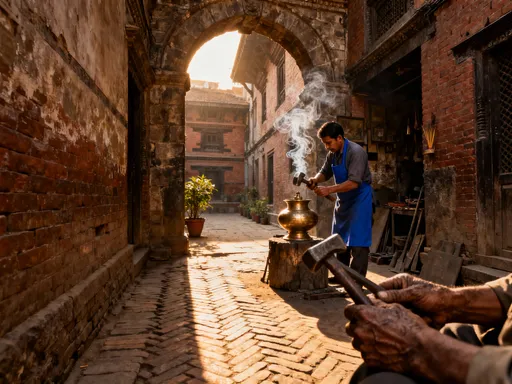
Cultural preservation here is not performative; it’s lived. Traditional crafts like tau fu fa (silken tofu pudding) are still made from scratch in small kitchens, and herbal medicine shops display rows of dried roots and barks in wooden drawers. Festivals such as Chinese New Year and Vesak Day are celebrated with quiet devotion—lanterns glow in temple courtyards, and food offerings line altars, but there’s no pressure to participate. Visitors are welcome to observe, learn, and respect. This openness, free of commercialization, makes the cultural experience feel genuine and intimate.
Even the rhythm of daily life contributes to the city’s charm. Markets open at dawn, filled with vendors arranging fresh vegetables, fragrant herbs, and glistening seafood. By mid-morning, the pace slows as families retreat indoors to escape the heat. In the late afternoon, parks fill with children flying kites and elders practicing tai chi. This unhurried cadence allows travelers to slow down too, to savor moments instead of rushing between attractions. In a world that often values speed and efficiency, Ipoh offers a different model—one where presence matters more than productivity.
Balancing Adventure and Tranquility
One of Ipoh’s greatest strengths is its ability to cater to both the seeker of quiet reflection and the lover of gentle adventure. There’s no need to choose between stillness and activity—the city naturally supports both. A morning might begin with meditation in a cave temple, followed by an afternoon biking through verdant paddy fields on the outskirts of town. The terrain is mostly flat, with shaded rural roads and friendly farmers waving from their plots. Rental bikes are available at several tour points, and routes are clearly marked for all skill levels.
For those who enjoy elevation, the climb to D.R. Seenivasagam Park (commonly known as D.R. Park) offers a modest but rewarding ascent. Nestled among residential neighborhoods, the park features walking trails, exercise stations, and panoramic views of the city from its highest point. It’s especially popular at sunrise and sunset, when the limestone hills glow in soft golden light. Unlike crowded urban parks in larger cities, this space retains a sense of peace—dogs roam freely on leashes, couples sit on benches, and joggers move at a steady, unhurried pace.
Another example of this balance is the Kellie’s Castle, a partially completed Anglo-Indian mansion built in the early 1900s by a Scottish planter. Though the structure was abandoned after his sudden death, it has become a point of fascination—a blend of European architecture and local craftsmanship, now partly reclaimed by jungle vines. Guided tours explain its history without dramatizing it, allowing visitors to form their own impressions. The surrounding grounds include a small deer park and walking paths, making it suitable for families and history buffs alike.
This harmony between activity and calm is intentional. Urban planning in Ipoh has prioritized green spaces, pedestrian pathways, and low-density development, preventing the congestion that plagues many growing cities. As a result, even popular sites rarely feel overwhelming. You can explore at your own pace, pause whenever you like, and never feel rushed. This balance makes Ipoh particularly appealing to travelers in their 30s to 50s—those who may no longer seek high-adrenaline thrills but still desire meaningful engagement with a destination.
Smart Travel Tips for First-Timers
For those planning their first visit, a few practical considerations can greatly enhance the experience. The best time to visit Ipoh is between March and September, when rainfall is lower and humidity is more manageable. While the city is warm year-round, early mornings and late afternoons offer the most comfortable conditions for outdoor exploration. Avoiding midday sun is advisable, especially when visiting open sites like Kellie’s Castle or Gunung Lang.
Transportation within the city is straightforward. Taxis and ride-hailing services like Grab are reliable and affordable. For greater flexibility, consider renting a car—parking is generally easy to find, with designated lots near major attractions. Public buses exist but are less convenient for tourists unfamiliar with the routes. If you plan to visit multiple cave temples, wearing comfortable shoes with good grip is essential, as some pathways are uneven or slightly slippery.
Packing wisely makes a difference. Light, breathable clothing is recommended, along with a hat, sunscreen, and a reusable water bottle. While most sites have restrooms, carrying tissues and hand sanitizer is a good idea. At religious sites, modest dress is appreciated—shoulders and knees should be covered out of respect. Many temples provide sarongs for visitors who need them, but bringing your own ensures comfort and convenience.
To avoid crowds, aim to arrive at popular spots like Sam Poh Tong or the Old Town murals shortly after opening, around 8:00 or 9:00 a.m. By mid-morning, tour groups begin to arrive, and the pace shifts. Similarly, visiting Lubuk Rayau on a weekday rather than a weekend ensures a more peaceful experience. Lastly, don’t over-schedule. Ipoh rewards slowness. Allow time to sit in a kopi tiam, watch the world go by, and let the city reveal itself in its own time.
Why Ipoh Stays With You Long After You Leave
Months after returning home, certain images from Ipoh still surface in quiet moments—the flicker of candlelight in a cave temple, the first sip of white coffee on a misty morning, the sound of water dripping in a limestone chamber. What makes this city linger is not just its beauty, but its emotional resonance. It doesn’t overwhelm; it unfolds. It doesn’t demand attention; it earns it through subtlety and sincerity. In a travel landscape often dominated by checklists and photo ops, Ipoh offers a different kind of fulfillment—one rooted in presence, connection, and reflection.
There’s a growing recognition among mature travelers that the most meaningful journeys are not those that cover the most ground, but those that touch the heart. Ipoh exemplifies this shift. It invites you to walk slowly, listen closely, and engage gently. It reminds us that heritage isn’t just in monuments, but in the way people live. That nature isn’t just a backdrop, but a companion. That time, when spent well, becomes memory.
Choosing destinations like Ipoh is a quiet act of intention. It’s a decision to prioritize depth over speed, authenticity over spectacle. And in doing so, we don’t just see a place—we feel it. We carry its rhythms in our breath, its colors in our dreams, and its peace in our bones. For the woman in her forties juggling family and work, for the mother seeking a moment of calm, for anyone longing to remember what it feels like to be still—Ipoh offers not just a getaway, but a return. A return to what travel once was: a journey inward, disguised as a journey outward.