You Won’t Believe How Osaka’s Terrain Transforms Its Shopping Scene
Osaka isn’t just about street food and neon lights—its unique terrain shapes an unforgettable shopping experience. Nestled between rivers and hills, the city blends underground malls, hillside boutiques, and canal-side markets in ways you’d never expect. I was amazed how elevation changes and waterways guide where to shop and what to find. From hidden arcades tucked beneath slopes to vibrant markets flowing along canals, Osaka turns geography into retail magic. Let me take you through this urban adventure.
The City Built on Water and Slopes
Osaka’s identity as a commercial powerhouse is deeply rooted in its geography. Situated on a floodplain where the Yodo, Yamato, and other rivers meet the sea, the city has long been shaped by water. This aquatic foundation is not just scenic—it’s functional. Centuries ago, early settlements developed along natural levees to avoid seasonal flooding, a pattern that still influences modern urban planning. Today, the interplay between low-lying areas and subtle elevation shifts creates a layered cityscape where shopping districts rise, fall, and even descend below ground level.
The city’s slight but strategic variations in elevation—some areas only a few meters higher than others—have led to a three-dimensional approach to retail. In districts like Namba and Umeda, raised pedestrian walkways connect buildings above street level, allowing shoppers to move between stores without stepping into traffic or flood-prone zones. These elevated paths are more than just convenience; they are part of a resilient infrastructure designed to keep commerce flowing even during heavy rains. Meanwhile, lower areas have been repurposed into expansive underground networks, turning potential vulnerabilities into retail advantages.
What makes Osaka’s layout truly distinctive is how seamlessly these vertical layers integrate. A shopper might begin on solid ground, descend into a subterranean mall, then ascend via glass-enclosed escalators into a skybridge-connected tower—all within a single journey. This fluid movement across elevations isn’t accidental. It’s the result of decades of urban engineering that treats terrain not as an obstacle, but as an opportunity. The city’s planners have embraced its natural topography, allowing rivers and slopes to guide the rhythm of daily life and commerce.
Moreover, Osaka’s waterways are not merely boundaries—they are connectors. Bridges, boardwalks, and riverside promenades double as shopping corridors, where small vendors, artisan stalls, and seasonal markets thrive. The presence of water softens the urban environment, making shopping feel less transactional and more experiential. In this way, the city’s physical landscape doesn’t just support retail—it enhances it, creating a shopping culture that is as much about discovery as it is about purchase.
Underground Worlds: The Hidden Heart of Commerce
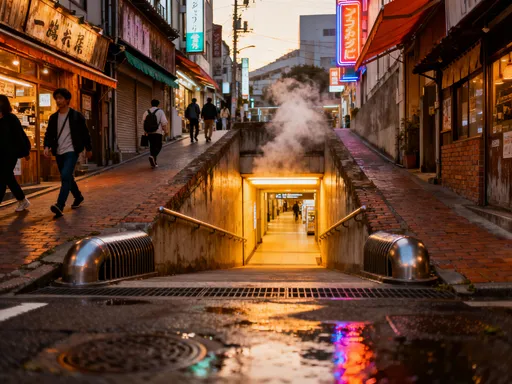
Beneath the bustling streets of central Osaka lies a vast network of underground shopping complexes that rival any above-ground district in scale and variety. These subterranean labyrinths, particularly in Umeda and Namba, are not mere afterthoughts—they are the lifeblood of daily commerce. Spanning over 10 kilometers in some areas, these climate-controlled passages host hundreds of stores, from fashion boutiques and souvenir shops to pharmacies and gourmet food halls. For locals and visitors alike, they offer a seamless, weather-proof way to shop, dine, and commute—rain or shine, summer heat or winter chill.
The origins of these underground malls trace back to mid-20th century urban development, when city planners sought solutions to both congestion and flood risk. By building downward instead of outward, Osaka maximized space without encroaching on already crowded streets. More importantly, placing commercial infrastructure below ground provided protection from the city’s humid summers and occasional typhoons. Today, these tunnels are more than practical—they are cultural hubs. During rush hour, they pulse with office workers grabbing bento boxes and last-minute gifts; in the evenings, couples stroll through softly lit corridors adorned with art installations and seasonal decorations.
One of the most impressive examples is the Namba City underground complex, which links major train stations, department stores, and entertainment venues. Here, the experience feels less like navigating a basement and more like exploring a self-contained city. Stores are thoughtfully arranged by category and foot traffic patterns, with high-demand items placed along primary routes. Lighting is warm and inviting, signage is multilingual, and seating areas are plentiful—details that make long shopping trips comfortable and enjoyable.
What truly sets Osaka’s underground malls apart is their integration with public transit. Travelers arriving by train can transition directly into the shopping network without ever stepping outside. This seamless connectivity encourages impulse visits and extended browsing, boosting both convenience and sales. For families with young children or older adults who prefer to avoid stairs, elevators and moving walkways provide easy access between levels. The result is a shopping environment that is inclusive, efficient, and deeply embedded in the rhythm of urban life.
These underground spaces also reflect Osaka’s spirit of innovation. Temporary pop-up shops, local craft fairs, and seasonal festivals frequently animate the corridors, transforming them from utilitarian passageways into vibrant community spaces. In winter, holiday markets with handmade ornaments and warm drinks create a cozy atmosphere; in spring, cherry blossom-themed displays bring a touch of nature indoors. The underground, far from being hidden, has become one of the city’s most visible and beloved retail features.
Elevated Streets and Hillside Boutiques in Shinsekai & Tennōji
In southern Osaka, the terrain takes on a different character—one defined by gentle inclines, retro charm, and a sense of discovery. The Shinsekai and Tennōji districts sit on slightly elevated ground, where sloping streets and tiered architecture create a shopping experience unlike any other in the city. Here, retail isn’t confined to flat avenues; it climbs, curves, and unfolds with the land, offering surprises at every turn. Walking through these neighborhoods feels like stepping into a living postcard, where vintage signs glow above narrow alleys and small shops cling to the contours of the hillside.
Shinsekai, once a futuristic entertainment district in the early 1900s, now thrives as a nostalgic haven of old-world shopping. Its most iconic landmark, the Tsutenkaku Tower, stands like a sentinel over a maze of sloped walkways and covered arcades. The incline of the main street means that each step forward is also a subtle ascent, guiding shoppers upward through layers of commerce. At the base, you’ll find bustling stalls selling kushikatsu (deep-fried skewers) and retro toys; halfway up, vintage clothing shops and secondhand bookstores line the path; near the top, small cafes offer panoramic views of the district’s neon-lit rooftops.
The terrain here doesn’t just affect navigation—it shapes the character of the stores themselves. Because space is limited and the ground uneven, shop owners have adapted creatively. Some boutiques are built into the sides of slopes, accessible via short staircases or winding ramps. Others use cable-supported structures to maximize visibility and foot traffic. These architectural quirks give the area its distinctive charm, turning functional challenges into aesthetic strengths. Even the signage is part of the experience, with hand-painted signs and flickering neon tubes adding to the district’s retro ambiance.
Tennōji, adjacent to Shinsekai, offers a more refined yet equally terrain-responsive shopping environment. The area is anchored by the Abeno Harukas building, Japan’s tallest skyscraper, which rises from a gently sloping plaza. Around it, smaller shopping streets follow the natural grade of the land, creating a series of elevated walkways and terraced storefronts. This vertical arrangement allows for multiple levels of retail activity, with ground-floor shops catering to passersby and upper-level boutiques offering quieter, more curated experiences.
What makes these hillside districts special is the way they reward exploration. Unlike the grid-like predictability of central Osaka, Shinsekai and Tennōji invite wandering. A side alley might lead to a hidden ramen shop; a narrow staircase could reveal a tiny gallery selling local art. The terrain ensures that no two visits are the same, fostering a sense of personal discovery. For many locals, shopping here isn’t just about buying—it’s about reconnecting with the city’s history and rhythm, one uphill step at a time.
Canal-Side Markets and Riverside Retail Culture
Along the calm waters of the Nakanoshima and Kyobashi canals, Osaka’s shopping culture takes on a serene, almost poetic quality. These waterways, once vital arteries for trade and transportation, now serve as scenic backdrops for a new generation of retail experiences. Here, shopping is no longer confined to enclosed malls or crowded streets—it flows alongside the current, blending commerce with nature and history. Small boutiques, open-air markets, and art-filled promenades line the banks, creating a tranquil yet vibrant alternative to the city’s more frenetic districts.
Nakanoshima, a long island bordered by the Okawa and Dōjima rivers, exemplifies this harmonious fusion of water and commerce. Once the heart of Osaka’s financial district, it has evolved into a cultural corridor where historic Western-style buildings house design shops, coffee roasters, and independent bookstores. The tree-lined promenade along the riverbank is perfect for a leisurely stroll, with pop-up markets appearing on weekends to sell handmade soaps, ceramics, and textiles. These temporary stalls take full advantage of the open space and natural light, offering a relaxed, unhurried shopping experience.
The presence of water does more than enhance aesthetics—it influences the rhythm of retail. Many canal-side shops open later in the morning, aligning with the slower pace of riverside life. Some cafes even extend their seating onto floating platforms, allowing customers to sip matcha while watching boats glide by. This integration of environment and economy creates a unique sense of place, where shopping feels less like a chore and more like a ritual of connection—to the city, to nature, and to craftsmanship.
Kyobashi, further east, offers a more industrial-chic version of riverside retail. Former warehouse spaces have been converted into design studios and concept stores, where local artisans sell everything from hand-stitched leather goods to custom-made home decor. The area’s cobblestone paths and iron bridges add to its vintage charm, while modern lighting and bilingual signage ensure accessibility for international visitors. During evening hours, soft lanterns illuminate the water’s edge, transforming the district into a romantic destination for after-dinner shopping and conversation.
What unites these canal-side markets is their emphasis on authenticity and sustainability. Many vendors prioritize locally sourced materials and eco-friendly packaging, reflecting a growing awareness of environmental responsibility. Shoppers are encouraged to bring reusable bags and bottles, and some stores offer discounts for doing so. This ethos of mindful consumption resonates deeply with Osaka’s younger generation, who value quality over quantity and experience over excess. In this way, the riverside retail scene isn’t just beautiful—it’s forward-thinking, offering a model for how cities can blend commerce with care.
Shopping Malls That Defy Gravity in Umeda and Dōtonbori
In the heart of Osaka’s busiest districts, architects have responded to the city’s complex terrain with bold, gravity-defying designs that turn shopping into an architectural adventure. Umeda and Dōtonbori, two of the city’s most dynamic commercial zones, are home to multi-level complexes that rise, slope, and cascade across the urban landscape. These malls are not just places to buy things—they are destinations in themselves, where engineering innovation meets retail creativity.
One of the most striking examples is Namba Parks, a shopping center built on the site of a former baseball stadium. Rather than constructing a conventional box-shaped mall, the designers created a terraced garden that climbs upward like a green mountain. Wide staircases double as seating areas, rooftop lawns host seasonal events, and waterfalls cascade down stone walls, creating a soothing soundtrack. The stores are arranged along this ascending path, encouraging visitors to explore each level at their own pace. This design not only accommodates the site’s irregular shape but also promotes physical activity and mindfulness, making shopping feel more like a walk in nature.
Similarly, HEP Five in Umeda features a bright red inclined escalator that runs the full height of the building, offering panoramic views of the city as shoppers glide between floors. This dramatic feature has become an attraction in its own right, drawing visitors who come not just to shop, but to experience the ride. The mall’s upper levels house fashion boutiques and accessory stores, while the lower floors cater to teens and young adults with trend-driven brands and entertainment options. The escalator’s design solves a practical problem—efficient vertical movement—while enhancing the emotional appeal of the space.
Sky bridges are another hallmark of Osaka’s elevated retail architecture. In Umeda, a network of enclosed walkways connects major department stores, hotels, and train stations, allowing shoppers to move seamlessly between buildings without descending to street level. These bridges are more than functional; they are social spaces, often lined with small cafes, flower shops, and information kiosks. During peak hours, they buzz with activity, yet maintain a sense of order and comfort thanks to thoughtful lighting, signage, and crowd management.
These gravity-defying malls reflect Osaka’s willingness to embrace complexity. Instead of flattening the land to fit a standard model, the city builds with the terrain, creating spaces that are as dynamic as the people who use them. The result is a shopping experience that engages not just the eyes, but the body and imagination. Every ascent, descent, and turn becomes part of the journey, making each visit memorable and distinct.
How Locals Navigate the Terrain for the Best Deals
For Osaka residents, shopping is not just about what to buy—but how to move through the city to get it. Generations of navigating slopes, tunnels, and waterways have taught locals to optimize their routes based on terrain, weather, and timing. Their strategies reveal a deep understanding of the city’s physical rhythm, turning everyday errands into efficient, even enjoyable, adventures.
One common practice is planning shopping trips to follow the natural flow of elevation. Many prefer to start at higher points, like Tennōji or the upper levels of Namba Parks, and work their way downhill. This approach conserves energy, especially on hot or humid days, and allows for a more relaxed pace. Walking downhill also means fewer stairs and less strain on the knees, making it ideal for older shoppers or those with young children. By the time they reach flat or low-lying areas, they’ve already covered much of their list—and earned a well-deserved rest at a riverside café.
Rainy days see a strategic shift underground. Locals know that the subterranean networks in Umeda and Namba are not only dry but often less crowded than surface streets. They use detailed mental maps of the tunnels to hop between stores, avoiding the need for umbrellas or long waits at crosswalks. Some even time their shopping around train schedules, entering the underground malls just as they exit the station, ensuring a seamless transition from commute to commerce.
Timing also plays a crucial role. Early mornings are ideal for visiting canal-side markets, when vendors are restocking and crowds are light. By midday, these areas fill with tourists, but savvy locals head to hillside boutiques in Shinsekai, where foot traffic remains manageable. Late afternoon brings another shift—many department stores offer discounts in the final hours before closing, prompting a final push through the elevated malls of Umeda.
Transportation choices are equally terrain-aware. Buses and trams are favored in sloped areas, where walking long distances can be tiring. Meanwhile, the city’s extensive subway system provides direct access to underground shopping zones, minimizing exposure to heat, rain, or fatigue. For those willing to explore, walking remains the best way to uncover hidden gems—like a tiny accessory shop tucked beneath a bridge or a family-run confectionery at the top of a narrow staircase.
These navigation habits aren’t just practical—they’re cultural. They reflect a respect for the city’s design and a desire to move through it with ease and intention. By learning from local patterns, visitors can transform their shopping experience from a checklist into a journey—one shaped by the wisdom of those who know Osaka best.
Why Terrain Makes Osaka’s Shopping Unrepeatable
Osaka’s shopping scene is not just diverse—it is irreplaceable. Nowhere else in the world does geography so deeply influence retail culture. The city’s rivers, slopes, and floodplains are not backdrops; they are active participants in the shopping experience. Every underground passage, elevated walkway, and canal-side stall exists because of the land itself. This deep integration of nature and commerce creates a rhythm that cannot be replicated in flat, planned cities or purely digital marketplaces.
What sets Osaka apart is the way its terrain fosters innovation. Constraints become catalysts—flooding risks led to underground malls, elevation changes inspired terraced gardens, and waterways gave rise to floating markets. Each solution is rooted in practicality, yet elevated by creativity. The result is a city where shopping is not just transactional, but transformative. It engages the senses, challenges the body, and rewards curiosity.
More than that, Osaka’s shopping culture reflects its people. Resourceful, resilient, and deeply attuned to their environment, locals have turned geographical challenges into opportunities for connection and joy. They don’t fight the land—they work with it, shaping a retail landscape that is as dynamic as it is welcoming. For visitors, this means more than finding souvenirs or snacks; it means participating in a living dialogue between city and citizen.
As global retail becomes increasingly homogenized, Osaka stands as a reminder that place matters. A mall in one city may look like a mall anywhere else—but in Osaka, every shopping journey is shaped by the unique fingerprint of the land. Whether you’re descending into a climate-controlled tunnel, climbing a garden staircase, or browsing a market beside a quiet canal, you are not just shopping. You are experiencing a city that builds with, not against, its natural world.
So the next time you plan a trip to Japan, look beyond the obvious. Let Osaka’s terrain guide you. Follow the slope, trace the river, descend below ground. In doing so, you won’t just see what’s for sale—you’ll understand how the land shapes the hunt. And that, perhaps, is the most valuable souvenir of all.