This Is Why Amritsar’s Soul Lives in Its Golden Temple and Hidden Streets
Amritsar isn’t just a destination—it’s a feeling. From the golden glow of the Harmandir Sahib rising from the sacred lake to the sizzling street food stalls of the old city, every corner pulses with culture. I didn’t just visit Amritsar; I felt it. The warmth of strangers, the echoes of hymns, and the colors of tradition aren’t just sights—they’re experiences that stay with you. This city breathes history, faith, and community in a way few others do. It invites travelers not merely to observe, but to participate, to listen, and to remember that true cultural richness lies not only in grand monuments, but in the quiet moments between prayers, meals, and conversations with locals who welcome you as family.
The Heartbeat of Amritsar: Golden Temple at Dawn
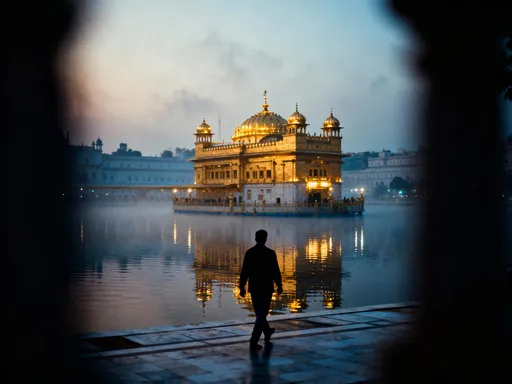
There is a moment, just before sunrise, when Amritsar holds its breath. The air is cool, carrying the faint scent of incense and water from the Amrit Sarovar, the holy pool that cradles the Golden Temple. As light begins to streak the sky, the gilded domes of Harmandir Sahib shimmer like fire on water, their reflection dancing gently with the ripples. Pilgrims, barefoot and reverent, line the marble causeway leading to the sanctum. Some close their eyes in silent prayer; others whisper hymns passed down through generations. This is not a spectacle staged for tourists—it is a daily act of devotion, witnessed by thousands yet deeply personal to each soul present.
The spiritual significance of the Golden Temple, also known as Sri Harmandir Sahib, is central to Sikh identity. Built with its doors facing all four directions, it symbolizes openness and equality—a radical concept when it was founded in the 16th century and still powerful today. The temple stands as a living embodiment of Sikh values: service, humility, and the rejection of caste. Every visitor, regardless of faith, background, or status, is welcome to enter, sit, and reflect. This inclusivity is not theoretical; it is practiced with unwavering consistency, making the Golden Temple one of the most accessible sacred spaces in the world.
As dawn breaks, the sound of kirtan—devotional hymns sung in classical ragas—begins to rise from within the temple. The music flows like a river, soothing and energizing at once. Priests in saffron robes chant from the Guru Granth Sahib, the eternal spiritual guide of Sikhism, while volunteers move quietly, ensuring shoes are stored and water is available for those waiting. The atmosphere is both solemn and joyful, a rare blend that speaks to the heart of Sikh philosophy: finding joy in service and peace in devotion.
One of the most profound experiences at the Golden Temple is the langar, the community kitchen that serves free meals to over 100,000 people every day. Long before the sun fully rises, the kitchen is already alive with activity. Volunteers chop vegetables, stir massive cauldrons of dal, and roll out chapatis in synchronized rhythm. There is no hierarchy here—everyone works, and everyone eats together, seated on the floor in rows. This practice, established by Guru Nanak Dev Ji over 500 years ago, is not charity; it is seva, or selfless service, a core tenet of Sikh life. To sit in the langar hall, sharing a simple meal with strangers from across India and the world, is to understand what true community feels like.
Beyond the Golden Temple: The Cultural Tapestry of the Old City
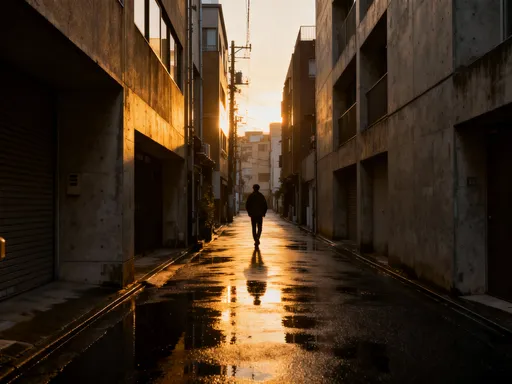
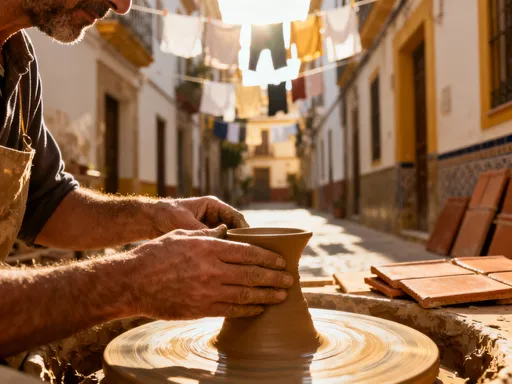
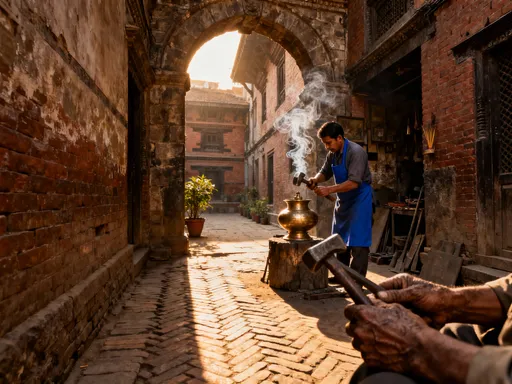
While the Golden Temple draws millions, the soul of Amritsar extends far beyond its golden walls. Step into the old city, and you enter a labyrinth of narrow lanes where history hums beneath your feet. Here, the past is not preserved behind glass—it is lived. Artisans hammer brass, spice vendors call out their wares in rhythmic chants, and women weave intricate phulkari embroidery in sunlit courtyards. These streets are not frozen in time; they are vibrant, evolving spaces where tradition and modernity coexist in harmony.
Phulkari, meaning “flower work,” is one of Punjab’s most cherished textile arts. Once passed from mother to daughter, these hand-embroidered shawls and dupattas feature bold geometric patterns and rich, symbolic colors. Today, local cooperatives and women’s collectives keep the craft alive, turning ancestral skills into sustainable livelihoods. Visitors can watch artisans at work in small workshops near Hall Bazaar, where threads of red, orange, and gold flash under lamplight. Each stitch tells a story—of weddings, harvests, and family bonds—making phulkari not just fabric, but heritage in motion.
Another enduring craft is jutti making, the art of handcrafting traditional Punjabi footwear. Unlike mass-produced shoes, each jutti is shaped to fit the wearer, stitched with care, and often embellished with mirrors, beads, or embroidery. The cobbler’s hammer echoes through the bazaar as craftsmen work on wooden lasts, shaping leather with tools that have changed little over centuries. These shoes are more than fashion—they are cultural markers, worn at festivals and weddings, linking generations through design and function.
What makes the old city so compelling is not just its crafts, but the way they are woven into daily life. A grandmother buys turmeric from a roadside vendor using the same wooden scale her mother once did. A young boy delivers tea to a tailor’s shop on a bicycle with a wobbly wheel. There is a rhythm here, steady and unpretentious, that resists the rush of modernity. For travelers, walking these lanes is not about ticking off sights—it’s about slowing down, observing, and appreciating how culture thrives not in museums, but in the hands of those who carry it forward.
Flavors That Tell Stories: Food as Cultural Expression
In Amritsar, food is not just sustenance—it is celebration, memory, and connection. The city’s culinary reputation is well-earned, built on bold flavors, generous portions, and a deep-rooted culture of hospitality. To eat in Amritsar is to be welcomed. Whether at a bustling dhaba or a quiet home kitchen, meals are served with warmth and abundance, reflecting the Punjabi belief that feeding others is one of life’s highest duties.
No visit is complete without tasting Amritsari kulcha, a soft, leavened bread baked in a clay tandoor and served hot with chole, a spicy chickpea curry. The best versions are found in tiny stalls near the Golden Temple, where the bread puffs up like a golden pillow and the chole is slow-cooked with onions, tomatoes, and a blend of aromatic spices. Paired with a tangy raw mango pickle and a dollop of white butter, it is comfort elevated to an art form. Equally iconic is the Amritsari fish, marinated in mustard paste and deep-fried to a crisp perfection, often eaten with lassi so thick it must be sipped with a spoon.
Lassi, in particular, is more than a drink—it is a ritual. The city’s most famous lassi shop, decades old and family-run, draws lines every morning. Inside, workers churn yogurt, sugar, and ice in giant metal containers, adding rose water or saffron for a fragrant touch. The result is a creamy, cooling beverage that cuts through the heat of spicy food and the summer sun. Sitting on a wooden stool, sipping lassi from a clay kulhar, one begins to understand how food can anchor a culture, bringing people together across age, class, and language.
Dhabas, roadside eateries with plastic chairs and checkered tablecloths, are where much of Amritsar’s food culture unfolds. These unassuming spots serve hearty meals to truck drivers, families, and tourists alike. The atmosphere is lively, filled with laughter and the clatter of plates. Here, social barriers dissolve over shared platters of parathas and dal makhani. It is not uncommon for a stranger to offer you a taste of their meal or insist on paying your bill. This generosity is not performative—it is genuine, rooted in the Punjabi value of *mehman nawazi*, or honoring the guest. In a world where dining is often transactional, Amritsar reminds us that food can be an act of love.
Evening Light: The Wagah Border Ceremony Experience
As the sun begins to dip behind the plains of Punjab, thousands gather at the Wagah-Attari border for one of India’s most dramatic daily rituals. Located about 30 kilometers from Amritsar, this is the only legal crossing point between India and Pakistan, and every evening, it becomes a stage for a highly choreographed flag-lowering ceremony. What began as a military formality has evolved into a spectacle of patriotism, drawing crowds from both nations who come not for politics, but for pride.
The atmosphere is electric. Spectators wave flags, chant slogans, and cheer as soldiers from both sides march with exaggerated steps, stomping the ground in perfect unison. The precision is military, but the energy is theatrical—boots stomp, arms swing, and mustaches twitch with flair. The climax comes when the gates open, and the two commanding officers meet in the middle, exchange salutes, and lower their national flags simultaneously. The crowd erupts in applause, children climb on parents’ shoulders, and for a brief moment, the tension of history gives way to shared spectacle.
While the ceremony carries historical weight—the border was established during the 1947 Partition, a time of immense upheaval—it is presented today as a celebration of national identity rather than a symbol of division. Visitors are encouraged to focus on the discipline, pageantry, and unity on display, rather than the complexities of cross-border relations. It is a moment of collective emotion, where the act of witnessing becomes a form of participation.
For travelers, attending the ceremony requires planning. Gates open two hours before sunset, and arriving early ensures a good view. Security is tight, and bags are inspected, but the process is efficient. Seating is on concrete bleachers, so bringing a cushion is advisable. The best vantage points are near the center, where the action unfolds closest. While the event draws large crowds, especially on weekends and holidays, the experience remains accessible and family-friendly. More than a tourist attraction, it offers insight into how national pride is performed and felt in everyday life.
Hidden Courtyards and Quiet Temples: Offbeat Cultural Gems
While the Golden Temple rightly claims center stage, Amritsar’s quieter corners offer equally powerful experiences. Away from the crowds, in tree-lined lanes and hidden mohallas, lie lesser-known temples and shrines that speak to the city’s layered spiritual life. Durgiana Temple, often called the “Silver Temple” for its white marble and intricate carvings, is one such gem. Dedicated to the goddess Durga, it mirrors the architecture of the Golden Temple, with a central sanctum surrounded by a sacred lake. Yet here, the pace is slower, the air quieter, allowing for contemplation and peace.
Gurudwara Baba Atal Rai, a nine-story tower near the Golden Temple complex, is another space of reflection. Built in memory of Guru Hargobind Sahib’s son, it stands as a tribute to sacrifice and devotion. Climbing the narrow staircase, visitors pass murals depicting Sikh history and moments of spiritual significance. From the top, one can see the Golden Temple glowing in the distance, a reminder of the city’s interconnected sacred geography. Unlike the bustling main shrine, this gurdwara offers solitude, where pilgrims sit in quiet prayer or read from holy texts in dimly lit corners.
These quieter sites provide balance for travelers seeking depth beyond the iconic. They allow space to absorb the city’s spiritual energy without the press of crowds. Visiting them is not about ticking off another landmark, but about creating moments of stillness—sitting by a temple pond, listening to distant bells, or watching an elderly couple light a diya in silent gratitude. Such experiences remind us that culture is not only in grand ceremonies, but in the small, personal acts of faith that happen every day.
For those planning their itinerary, combining a visit to the Golden Temple with these hidden gems creates a richer, more nuanced understanding of Amritsar. A morning at Harmandir Sahib, followed by an afternoon stroll through the old city and an evening at Durgiana Temple, offers a full spectrum of the city’s soul. It is in these contrasts—between grandeur and simplicity, noise and silence—that the true character of Amritsar emerges.
Living Traditions: Music, Festivals, and Daily Rituals
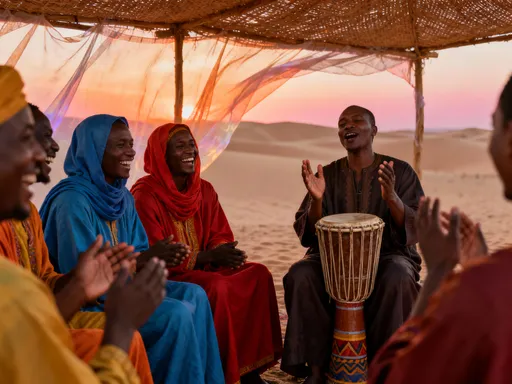
Music is the heartbeat of Amritsar, flowing through its temples, streets, and homes. In the Golden Temple, ragas are performed around the clock in a tradition called *akhand kirtan*, where hymns from the Guru Granth Sahib are sung without interruption. The melodies shift with the time of day, following classical Indian musical rules—morning ragas are soft and meditative, while evening ones are more intense and devotional. To sit and listen is to be carried into a different state of awareness, where sound becomes prayer.
Folk music also thrives, especially during festivals. At Baisakhi, which marks the Sikh New Year and the formation of the Khalsa in 1699, the city erupts in color and rhythm. Processions wind through the streets, led by drummers playing the dhol and dancers performing bhangra with joyful energy. Homes are decorated, sweets are shared, and gurdwaras host special prayers and langar meals. Diwali, the festival of lights, is equally vibrant. While celebrated across India, in Amritsar it carries added meaning—the Golden Temple is illuminated with thousands of oil lamps, creating a vision of divine radiance that draws visitors from around the world.
What sets these festivals apart is that they are not performances for outsiders. They are lived experiences, participated in by families, children, and elders alike. There is no separation between performer and audience—everyone dances, everyone sings, everyone serves. This inclusivity is not accidental; it is intentional, rooted in the belief that spiritual joy should be shared, not observed from a distance. For travelers lucky enough to visit during these times, the invitation to join is genuine. A child might hand you a sparkler; a grandmother might offer you a sweet. These moments of connection are fleeting, yet they leave lasting impressions.
Even outside festivals, daily rituals sustain the city’s cultural rhythm. Morning walks along the sarovar, the ringing of temple bells at dusk, the call to prayer from neighborhood gurdwaras—these are not tourist attractions, but the fabric of ordinary life. To witness them is to understand that culture is not something that happens on special occasions, but something that is lived, day after day, with quiet dedication.
Traveler’s Reflection: How Amritsar Changes the Way You See Culture
Leaving Amritsar, one does not simply carry memories of sights and sounds. One carries a shift in perspective. The city has a way of stripping away the superficial, revealing what matters: human connection, shared values, and the dignity of everyday acts. It challenges the modern traveler’s tendency to collect experiences like souvenirs, urging instead a deeper form of engagement—one based on presence, respect, and openness.
What stayed with me was not just the golden dome or the taste of lassi, but the humility I witnessed. The volunteer who served food without recognition, the elder who greeted every passerby with “Sat Sri Akal,” the child who offered me a flower at the temple gate—these small gestures spoke volumes. They reflected a culture that measures worth not by wealth or status, but by service and kindness. In a world often driven by speed and self-interest, Amritsar offers a counter-narrative: that the most meaningful moments are the quiet ones, shared without expectation.
Mindful travel is not about seeing more, but about seeing differently. Amritsar teaches that culture cannot be consumed; it must be entered with humility. It asks visitors to remove their shoes, literally and metaphorically, to sit on the floor, to accept a meal from a stranger, and to listen more than they speak. These acts are not rituals of tourism—they are invitations to belong, even if only for a moment.
For future travelers, the greatest preparation is not a guidebook or a camera, but an open heart. Come with curiosity, yes, but also with respect. Learn a few words of Punjabi, ask permission before taking photos, and take time to sit and simply be. Let the city reveal itself in its own time. Because Amritsar does not give up its soul to those who rush through. It reveals itself slowly, through shared meals, quiet prayers, and the quiet dignity of its people. This city teaches that culture isn’t something to observe—it’s something to live.