You Won’t Believe What I Found Shopping for Food in Yellowstone
Ever thought shopping could be the best part of a national park trip? In Yellowstone, it’s not just about wildlife and geysers—my biggest surprise came from the flavors on my plate and the local spots where I found them. From rustic lodge dinners to roadside stands with homemade jams, I discovered that specialty dining here is an adventure of its own. This is more than a meal—it’s a taste of the wild, handcrafted with local pride. What began as a simple search for snacks turned into a journey through mountain traditions, seasonal harvests, and the quiet artistry of small-batch producers. Food, it turns out, is one of Yellowstone’s most overlooked treasures.
The Unexpected Joy of Food-Focused Travel
For years, the idea of souvenirs meant magnets, postcards, or perhaps a stuffed animal bear. But on my most recent trip to Yellowstone, something shifted. Instead of reaching for a keychain at the gift shop, I found myself drawn to glass jars of deep purple huckleberry jam and bags of coffee roasted just miles from the park’s western gate. It wasn’t nostalgia I was collecting—it was flavor, memory, and connection. Food-focused travel transformed the way I experience national parks. No longer was I just observing nature; I was tasting it, bringing a piece of the landscape home in edible form.
This shift didn’t happen overnight. Like many travelers, I once considered meals a practical necessity—something to refuel between hikes and photo stops. But in Yellowstone, where the air carries the scent of pine and earth after rain, even lunch feels part of the experience. I began to see food not as a break from exploration, but as an extension of it. The bison sausage sandwich I ate overlooking Yellowstone Lake wasn’t just a meal; it was a moment anchored in place, enhanced by the crisp breeze and the distant call of a loon across the water. Each bite told a story of the region’s heritage, climate, and craftsmanship.
What made specialty food shopping the highlight of my trip was its authenticity. Unlike mass-produced souvenirs, these items were made by people rooted in the region—ranchers, beekeepers, bakers, and roasters who care about quality and tradition. Buying their products felt like participating in a quiet exchange, a way to honor the land and its stewards. And because these foods are seasonal and often limited in quantity, each purchase carried a sense of rarity and intention. That’s what makes them so meaningful—they can’t be found just anywhere, and they remind you of where you’ve been in the most sensory way possible.
Why Yellowstone’s Dining Scene Stands Out
Yellowstone’s culinary identity is shaped by its geography, history, and climate. This isn’t a destination known for fine dining in the traditional sense, but rather for food that reflects its rugged spirit and natural abundance. The frontier legacy of the American West still echoes in the region’s kitchens, where hearty, simple meals are elevated by fresh ingredients and time-honored techniques. What sets the park’s dining scene apart is how it blends this heritage with a growing emphasis on local sourcing, sustainability, and artisan craftsmanship.
Seasonality plays a crucial role. Because much of the park is closed during winter months, many food producers focus on preserving the summer harvest. Huckleberries, for instance, are available fresh for only a few weeks each year, but they are carefully turned into jams, syrups, and baked goods that last through the seasons. These small-batch creations are not only delicious but also deeply tied to the region’s ecology. The huckleberry grows wild in high-altitude forests, and its deep, tart flavor is impossible to replicate with cultivated berries. Eating it is like tasting a specific mountain slope, a particular summer, and the hands that picked it at dawn.
Protein sources also reflect the local environment. While hunting is prohibited within the park, nearby communities raise bison and elk sustainably, offering lean, richly flavored meats that are often featured in sandwiches, sausages, and jerky. These alternatives to conventional beef align with the region’s conservation values and provide a distinctive taste of the Northern Rockies. Even plant-based offerings benefit from the clean mountain air and mineral-rich soil, producing crisp vegetables, fragrant herbs, and honey infused with wildflower nectar.
Park lodges and gateway towns play a vital role in supporting this food culture. Establishments like the Old Faithful Inn and Lake Yellowstone Hotel work with regional suppliers to offer guests authentic experiences. Their kitchens often highlight local ingredients in daily specials, from bison meatloaf to huckleberry cheesecake. Meanwhile, towns like West Yellowstone, Gardiner, and Cooke City serve as culinary outposts where visitors can find family-run cafes, farmers markets, and specialty shops. These communities don’t just cater to tourists—they sustain a living food tradition that honors the land and its seasons.
Must-Visit Spots for Gourmet Park Experiences
If you’re looking to elevate your Yellowstone trip through food, several key locations offer exceptional dining and shopping opportunities. Start at the Old Faithful Inn, where the historic dining room serves regional dishes in a grand, timber-beamed setting. The menu changes seasonally, but staples like wild mushroom soup and huckleberry pancakes appear regularly. Adjacent to the restaurant, the gift shop carries a curated selection of local foods, including house-made trail mix, bison jerky, and small-batch honey. It’s a convenient place to stock up before a day of geyser viewing.
Lake Yellowstone Hotel, situated on the shores of the continent’s largest high-elevation lake, offers one of the most scenic dining experiences in the park. The formal dining room serves multi-course meals featuring fresh lake trout, roasted vegetables, and desserts made with regional berries. Even if you’re not staying at the hotel, reservations for dinner are worth securing. The adjacent general store stocks gourmet picnic supplies—think artisan crackers, local cheeses, and vacuum-sealed smoked fish—perfect for a lakeside lunch with a view of the Absaroka Mountains.
Mammoth Hot Springs, near the park’s northern entrance, is another culinary hub. The historic Fort Yellowstone complex houses a dining hall that serves hearty, homestyle meals with a modern twist. Breakfasts often include sourdough pancakes made with locally milled flour, while dinners might feature elk stew or roasted root vegetables. The nearby visitor center shop carries a wide range of specialty foods, including spice blends inspired by frontier recipes and coffee roasted in Bozeman, Montana. Because Mammoth is open year-round, it’s a reliable spot for quality food even during shoulder seasons.
Just outside the park, West Yellowstone, Montana, is a treasure trove for food lovers. This gateway town thrives on tourism but maintains a genuine mountain-town character. Main Street is lined with cafes, bakeries, and delis that source ingredients from regional farms and ranches. One standout is a small café known for its huckleberry scones and slow-smoked brisket sandwiches. Another popular stop is a family-owned market that sells homemade pies, pickled vegetables, and jars of chokecherry jam. These aren’t tourist traps—they’re community institutions where locals shop, too.
What to Buy: The Ultimate Specialty Food List
To bring a true taste of Yellowstone home, focus on high-quality, regionally specific foods that reflect the park’s natural bounty. Start with huckleberry preserves, widely regarded as the crown jewel of mountain flavors. Available in jams, syrups, and even hot sauces, these deep purple spreads capture the essence of late summer in the Rockies. Because huckleberries are foraged rather than farmed, each batch has a unique flavor profile, making them a truly special souvenir.
Locally roasted coffee is another excellent choice. Several Montana-based roasters supply the park’s lodges and nearby shops, using beans sourced from ethical farms and roasted in small batches. Look for blends with names like “Yellowstone Blend” or “Northern Range,” often featuring notes of dark chocolate, caramel, and toasted nut. These coffees not only brew a rich, aromatic cup but also support sustainable agriculture and local business.
Wildflower honey, harvested from hives placed in high meadows and forest clearings, is another standout. Light in color and floral on the palate, it pairs beautifully with cheeses, toast, or even plain yogurt. Because the bees forage on native blossoms, the honey carries subtle variations from year to year, reflecting the health of the ecosystem. It’s a reminder that flavor is shaped by place as much as by process.
Don’t overlook spice blends and dry goods. Several vendors offer seasoning mixes inspired by frontier cooking, featuring smoked paprika, juniper berry, and dried wild herbs. These are perfect for adding a mountain touch to home-cooked meals. Other packable items include artisan crackers, dried fruit leathers, and bison or elk jerky made without artificial preservatives. When selecting food souvenirs, prioritize those with minimal packaging and transparent sourcing. Not only are they more sustainable, but they also tend to be of higher quality.
When transporting these items, plan ahead. Jams and honey should be packed in leak-proof containers and placed in a separate bag to avoid spills. Perishables like cheese or smoked fish are best consumed within a few days or packed with ice if flying. Vacuum-sealed meats and dry goods are the most travel-friendly. Consider shipping delicate items home through the post office, especially if you’re on a long road trip and want to avoid heat exposure. With a little care, your edible souvenirs can arrive intact and ready to enjoy.
How to Shop Like a Park Insider
Timing and strategy make a big difference when shopping for specialty foods in Yellowstone. The busiest hours at lodge gift shops and general stores are between 11 a.m. and 2 p.m., when tour groups arrive and families take lunch breaks. To avoid crowds, visit early in the morning or late in the afternoon. You’ll not only have more space to browse but also a better chance of striking up a conversation with staff, who are often happy to share recommendations or point out new arrivals.
One insider tip: ask employees where they shop. Many park workers live in nearby towns and know the best local markets, farm stands, and bakeries that don’t appear on tourist maps. In West Yellowstone, for example, a small co-op on the edge of town offers organic produce, homemade bread, and kombucha on tap—favorites among seasonal staff. These spots often have lower prices and a wider selection than the more visible tourist shops.
Sustainability is another key consideration. Look for vendors who use recyclable or compostable packaging, offer refill stations, or partner with conservation organizations. Some shops in the park have eliminated single-use plastics and now sell honey in glass jars or coffee in reusable cloth bags. By supporting these businesses, you contribute to the protection of the very landscape you’ve come to enjoy.
Finally, be open to discovery. Some of the best food finds happen unexpectedly—a roadside stand with fresh-baked pies, a ranger-led program that includes a tasting of native plants, or a community festival featuring local chefs. These moments can’t be planned, but they often become the most cherished parts of a trip. Let curiosity guide you, and don’t hesitate to try something new. That huckleberry hot sauce might just become your new favorite condiment.
From Picnic to Gourmet: Elevating Your Park Meals
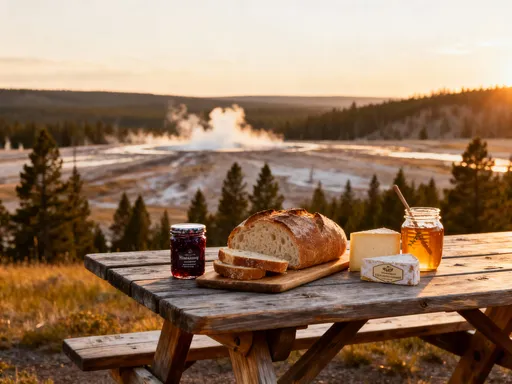
One of the simplest joys of food-focused travel is transforming an ordinary picnic into a memorable meal. On my last visit, I stopped at the general store in Mammoth Hot Springs and picked up a few items: a round of aged cheddar, a bag of sea salt crackers, a jar of wildflower honey, and a small container of huckleberry mustard. I paired them with an apple and a thermos of locally roasted coffee. With no elaborate preparation, I had created a backcountry-style charcuterie board.
I drove a short distance to a quiet overlook near the Gardner River, spread a blanket on the grass, and set out the food. The sun was warm, the air smelled of sage and damp earth, and the river murmured over smooth stones. As I layered cheese and honey on a cracker, then added a touch of tangy mustard, the flavors came alive. It wasn’t just a snack—it was a celebration of place, crafted from ingredients born of the same mountains, rivers, and meadows surrounding me. I ate slowly, savoring each bite, feeling more connected to the landscape than I had all week.
This kind of experience is accessible to any traveler willing to shop with intention. You don’t need a gourmet kitchen or a reservation at a fine dining restaurant. A few well-chosen items, combined with a scenic spot and a moment of mindfulness, can turn a routine break into a highlight. And because you’re using local products, you’re also supporting the regional economy and reducing your environmental footprint compared to imported or processed foods.
For families, this approach also makes outdoor dining more enjoyable. Instead of relying on pre-packaged snacks, involve children in selecting treats like bison jerky or huckleberry lollipops. Let them help assemble a picnic, name the flavors, or guess which berries were used in a jam. These small acts turn eating into an experience, one that deepens their appreciation for nature and food alike.
Bringing Yellowstone Home: Food as a Lasting Souvenir
Months after returning from Yellowstone, I still reach for the jar of huckleberry jam I brought home. Every time I spread it on toast, I’m transported back to crisp mornings, towering pines, and the quiet awe of watching Old Faithful erupt in the early light. Unlike a magnet or a t-shirt, this jam carries a sensory memory—taste, smell, even texture—that keeps the journey alive in a deeply personal way.
This is the power of food as a souvenir. It doesn’t sit on a shelf; it enters your daily life, reminding you of where you’ve been and how it felt to be there. It invites conversation, too. When guests taste the wildflower honey or try the bison sausage, they ask where it’s from, and I get to share stories of mountain meadows, geothermal basins, and small-town bakeries. In this way, the trip continues long after the photos are uploaded and the hiking boots are put away.
For future travels, I now seek out flavor-based experiences wherever I go. Whether it’s olive oil from a coastal grove, smoked fish from a lakeside village, or spice blends from a desert market, I look for foods that tell a story. These edible mementos connect me to the land, its people, and the rhythms of nature in a way that nothing else can.
Yellowstone taught me that true travel memories aren’t just seen—they’re savored. The grand vistas will always inspire, but it’s the taste of a huckleberry picked at dawn, the warmth of coffee sipped under a pine canopy, and the joy of sharing a simple meal in a wild place that lingers longest. So on your next trip, don’t just look. Taste. Because sometimes, the most unforgettable part of the journey is what you bring back on your plate.