You Won’t Believe How Art Brings Islamabad’s Scenery to Life
You know that feeling when a city surprises you? Islamabad isn’t just Pakistan’s capital—it’s a canvas. Between the Margalla Hills and the Faisal Mosque, art blends with nature in ways I never expected. Murals, calligraphy, and cultural spaces transform scenic spots into living galleries. This is more than sightseeing—it’s a sensory journey. I discovered how creativity elevates landscapes, making them breathe stories. From ancient villages to modern monuments, every corner reveals a thoughtful fusion of beauty and meaning. Art doesn’t just decorate the city; it deepens the experience of being there, turning quiet walks into moments of reflection and wonder.
The Unexpected Fusion: Where Nature Meets Art
Islamabad’s scenic charm lies not only in its lush greenery and dramatic mountain backdrops but also in the seamless way art integrates with its natural environment. From the moment visitors arrive, they are greeted by colorful murals on public walls, poetic inscriptions along park pathways, and subtle sculptures nestled among trees. The city’s master planning, originally designed with wide boulevards and green belts, has created an ideal canvas for artistic expression. Unlike conventional capitals where development often overshadows nature, Islamabad has embraced a vision where creativity enhances rather than disrupts the landscape.
This harmony is most evident in the Margalla Hills National Park, where hiking trails lead not only to panoramic views but also to open-air art installations. Local artists, inspired by the region’s history and biodiversity, have contributed pieces that reflect indigenous motifs and spiritual themes. Stone carvings echo ancient traditions, while metal sculptures sway gently in the breeze, mimicking the movement of leaves. These works do not dominate the space—they complement it, inviting hikers to pause and reflect. The experience becomes more than physical; it is meditative, enriched by the quiet dialogue between nature and human expression.
What makes this fusion truly remarkable is its intentionality. Urban planners and cultural organizations have collaborated to ensure that public art aligns with the city’s ethos of balance and tranquility. For instance, along the Islamabad Expressway, travelers pass by large-scale installations that incorporate native flora and calligraphic elements, blending aesthetics with environmental awareness. These artistic interventions are not random; they are curated to spark curiosity and emotional connection. The result is a city where even a routine commute can become a moment of beauty, where art does not wait in galleries but lives alongside daily life.
This integration transforms ordinary experiences into immersive journeys. A walk through Fatima Jinnah Park is no longer just a stroll through greenery—it becomes an exploration of cultural identity, with sculptures representing regional heritage and murals depicting historical narratives. Children interact with the art, touching textures and reading inscriptions, while elders sit nearby, reminiscing about the stories behind the images. In this way, art becomes a bridge between generations, between the land and its people. Islamabad shows that when nature and creativity coexist, the landscape gains depth, meaning, and soul.
Faisal Mosque: A Masterpiece in Design and Spirit
Standing at the foothills of the Margalla range, the Faisal Mosque is more than a place of worship—it is a landmark of architectural brilliance and artistic vision. Designed by Turkish architect Vedat Dalokay and completed in 1986, the mosque breaks from traditional domed structures, instead embracing a modern aesthetic inspired by a Bedouin tent. Its soaring minarets and sweeping geometric lines create a silhouette that appears both ancient and futuristic. As sunlight shifts throughout the day, the marble surfaces reflect changing hues, turning the building into a living canvas of light and shadow.
The mosque’s design is a powerful example of how art can shape spiritual experience. The vast courtyard, capable of holding over 100,000 worshippers, is framed by clean, angular forms that draw the eye upward, evoking a sense of awe and humility. The interior, adorned with intricate tile work and Quranic calligraphy, balances minimalism with ornamentation. Visitors often speak of a profound stillness upon entering—less from silence, and more from the way the space seems to hold breath. This is not accidental; every curve, every proportion, has been calculated to inspire contemplation.
What sets the Faisal Mosque apart is its relationship with the surrounding landscape. Rather than imposing itself on the terrain, the structure appears to emerge from it. The absence of a dome allows the mountain backdrop to remain unobstructed, creating a visual continuity between the built environment and nature. From certain angles, the mosque seems to mirror the peaks behind it, as if engaging in a quiet conversation with the hills. This intentional alignment reinforces the Islamic principle of unity between creation and the Creator, making the building not just a monument, but a philosophical statement in stone and steel.
For tourists and locals alike, the Faisal Mosque offers more than religious significance—it provides an artistic pilgrimage. Evening visits are especially moving, when soft lighting enhances the architectural details and the surrounding gardens glow under gentle illumination. Cultural events, including guided tours and photography exhibitions, further highlight the mosque’s role as a center of artistic appreciation. It stands as a testament to how architecture, when guided by vision and reverence, can elevate a city’s skyline and spirit simultaneously.
Saidpur Village: A Living Heritage Canvas
Nestled at the base of the Margalla Hills, Saidpur Village is a cultural gem where history, art, and community converge. Originally established in the 17th century during the Mughal era, this restored settlement has been transformed into a vibrant hub of traditional craftsmanship and artistic expression. Cobblestone pathways wind through centuries-old stone houses, now repurposed as artisan studios, galleries, and tea houses. The village does not present itself as a museum frozen in time; rather, it pulses with life, where heritage is not preserved behind glass but lived and shared daily.
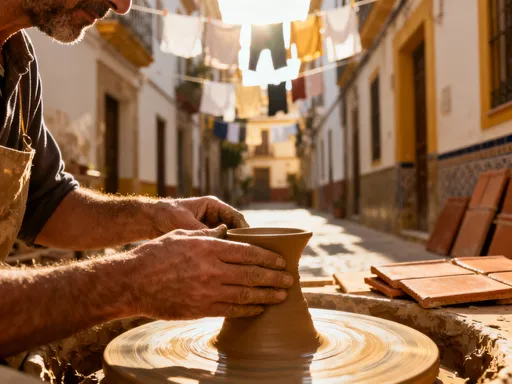
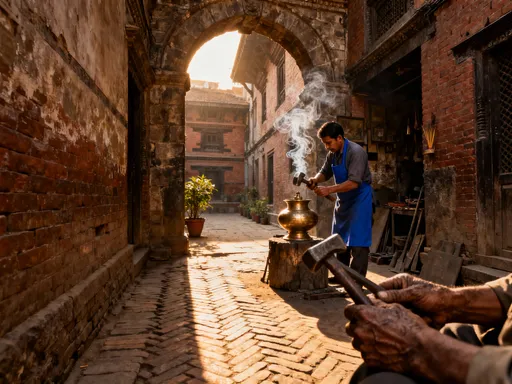
Walking through Saidpur is like stepping into a living painting. Potters shape clay on spinning wheels, their hands moving with rhythmic precision. Calligraphers sit under shaded verandas, carefully inking verses from classical poetry onto handmade paper. In one courtyard, a textile artist demonstrates the intricate art of ajrak block printing, a centuries-old Sindhi tradition. Each craftsperson is both a guardian of tradition and an innovator, adapting techniques to contemporary tastes without losing authenticity. Visitors are often invited to participate—rolling dough for traditional bread, trying their hand at pottery, or learning basic Urdu calligraphy.
The village’s walls tell stories too. Subtle murals, painted by local artists, depict historical scenes, folk tales, and spiritual symbols. These works are not loud or garish; they are respectful additions that enhance the village’s character without overwhelming it. One mural shows a Mughal-era procession winding through the same streets, creating a visual echo across time. Another portrays Sufi poets beneath blooming chinar trees, linking the village to Pakistan’s rich literary and spiritual heritage. These artistic touches deepen the sense of place, making every turn a discovery.
Saidpur also serves as a cultural bridge. On weekends, families gather for music performances featuring traditional instruments like the sitar and tabla. Children dance to folk tunes while elders nod along, recognizing melodies from their youth. The village hosts seasonal markets where artisans from across Pakistan display their work, from Balochi embroidery to Peshawari woodwork. This exchange fosters national unity through art, reminding visitors that diversity is not division, but a source of collective beauty. In Saidpur, culture is not static—it breathes, evolves, and invites participation.
Lok Virsa Museum: Preserving Art in Natural Surroundings
Perched along the scenic Shakarparian Hills, the Lok Virsa Heritage Museum is more than a repository of artifacts—it is an immersive experience where culture and landscape intertwine. Operated by the Pakistan National Council of the Arts, the museum is dedicated to preserving the folk traditions, music, textiles, and oral histories of Pakistan’s diverse regions. Its open-air layout, surrounded by terraced gardens and native plants, ensures that visitors engage with culture in harmony with nature. This integration is intentional: the setting itself becomes part of the narrative, reinforcing the idea that art grows from the land.
The museum’s exhibits are arranged thematically, showcasing everything from traditional wedding attire to handwoven rugs and musical instruments. One gallery displays the intricate embroidery of Tharparkar, where mirrors are sewn into fabric to reflect light and ward off evil—a practice rooted in both aesthetics and belief. Another highlights the boat-making traditions of the Indus Delta, with full-scale models demonstrating ancient craftsmanship. These displays are not static; many include audio recordings of folk songs or video interviews with elders, bringing the stories to life in rich, multidimensional ways.
What makes Lok Virsa exceptional is its commitment to experiential learning. Outdoor amphitheaters host live performances of regional music and dance, allowing visitors to witness traditions as they were meant to be seen—under open skies, surrounded by community. During festival seasons, artisans from remote villages are invited to demonstrate their crafts on-site, offering rare opportunities for direct interaction. A child from Islamabad might watch a Hunza woodcarver at work, ask questions, and even try shaping a small piece of wood—an experience that fosters respect and curiosity.
The museum’s landscaping further enhances its mission. Garden pathways are designed to mirror traditional village layouts, with water channels resembling those used in ancient irrigation systems. Floral patterns echo motifs found in Sindhi quilts and Punjabi frescoes. Even the signage incorporates calligraphy, ensuring that every detail reflects cultural authenticity. For families, this creates a space where education feels like exploration. Parents and children walk together, discovering how art is not separate from daily life but woven into it—through clothing, tools, songs, and stories.
Art in Public Spaces: Murals, Calligraphy, and Urban Expression
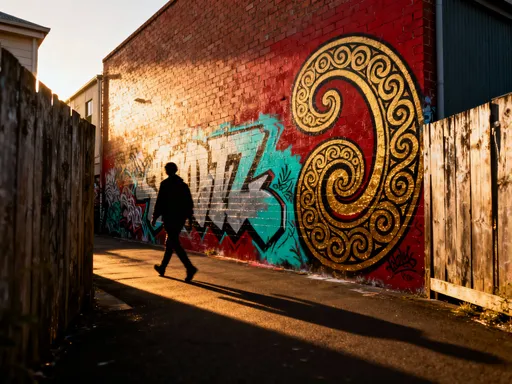
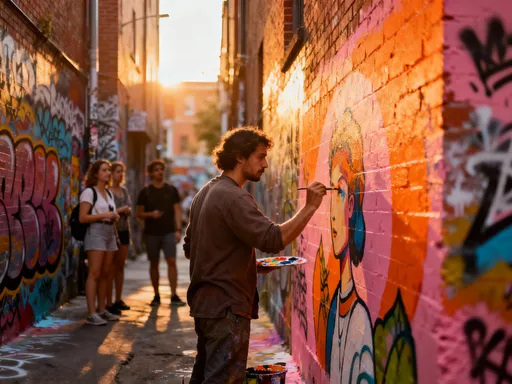
One of Islamabad’s quiet revolutions is unfolding on its walls, roundabouts, and underpasses—where public art is transforming the urban fabric. Across neighborhoods like F-7, G-9, and Blue Area, murals featuring Urdu poetry, geometric patterns, and regional symbols have turned previously overlooked spaces into points of beauty and reflection. These works are not commissioned by foreign artists or imposed from above; they emerge from local initiatives, often led by young creatives seeking to make art accessible to all.
Calligraphy, in particular, plays a central role. Along Service Road and in commercial plazas, large-scale murals display verses from poets like Allama Iqbal and Faiz Ahmed Faiz, their flowing script rendered in vibrant colors against neutral backdrops. These are not mere decorations—they are invitations to pause, read, and reflect. A line about justice or love, painted in a busy market, can spark conversation among strangers. In this way, public art becomes a subtle force for unity, reminding people of shared values and aspirations.
Even traffic roundabouts have been reimagined as cultural landmarks. The Zero Point Interchange features a sculptural installation inspired by traditional truck art, a beloved folk tradition where vehicles are painted with floral motifs, poetry, and patriotic slogans. This nod to everyday creativity honors the artistry of ordinary Pakistanis, elevating it to the level of public monument. Other roundabouts display metal sculptures of peacocks, chinar leaves, or crescent moons—symbols that connect the city to its natural and cultural identity.
These artistic interventions do more than beautify; they humanize the city. In a capital known for its order and formality, public art introduces warmth and spontaneity. It softens concrete walls, turns waiting into wonder, and makes space for emotion in a structured environment. For women and families, these spaces offer safe, welcoming areas to gather, take photographs, or simply enjoy a moment of peace. The movement is growing, supported by municipal programs that encourage community-led murals and youth art competitions. Islamabad is proving that art does not need grand galleries to matter—it thrives in the spaces where life happens.
Seasonal Art Events and Cultural Festivals
Timing a visit to Islamabad around its cultural festivals can transform a simple trip into a vibrant, participatory experience. Events like the annual Lok Mela, held at Shakarparian, and the Islamabad Art Fest, hosted in various public parks, turn the city into a dynamic stage for creativity. These gatherings are not exclusive or elite; they are open to all, drawing families, students, elders, and tourists into a shared celebration of heritage and innovation.
The Lok Mela, typically held in spring, is a national showcase of folk culture. Over several days, artisans from Khyber Pakhtunkhwa, Balochistan, Sindh, and Gilgit-Baltistan set up stalls displaying handcrafted goods—embroidered shawls, wooden furniture, pottery, and jewelry. Live performances feature regional music, from Pashto folk songs to Saraiki ballads, accompanied by traditional dances. Children participate in storytelling circles, learning myths and legends passed down for generations. The atmosphere is festive yet grounded, a reminder that art is not separate from life but woven into its rhythms.
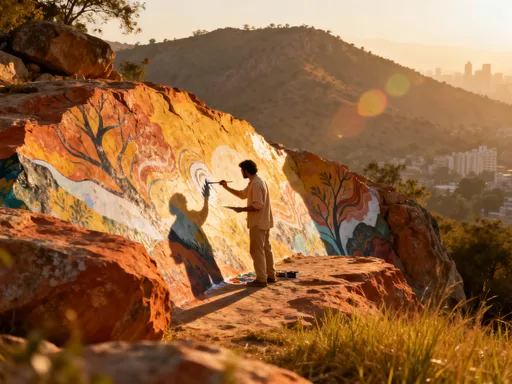
The Islamabad Art Fest, meanwhile, emphasizes contemporary expression. Organized by local art collectives, the event includes live painting sessions, where large murals are created in real time by teams of artists. I once watched a collaborative piece grow over three days, each contributor adding elements from their province—Balochi mirror work, Punjabi truck art patterns, and Kashmiri floral designs. The process was as important as the result, with onlookers engaging, asking questions, and even suggesting ideas. This interaction breaks down barriers between artist and audience, making creativity a communal act.
These festivals also highlight the city’s scenic venues in new ways. Parks like Ayubia and Lake View become open-air galleries, where nature frames the art rather than competes with it. Evening light installations along the lake create magical reflections, while lanterns hung in trees evoke a sense of wonder. Food stalls offer traditional snacks, turning the experience into a full sensory journey. For women traveling with children, these events provide safe, enriching environments where culture is learned through doing, not just observing. They exemplify how art, when shared openly, can strengthen community bonds and deepen appreciation for both heritage and place.
How to Experience Islamabad’s Art-Scenic Blend: A Practical Guide
To fully appreciate the fusion of art and nature in Islamabad, a thoughtful approach enhances the experience. Begin early in the morning, when the city is quiet and the light is soft. A sunrise walk through the Margalla Hills offers not only fresh air and exercise but also the chance to see how morning mist interacts with sculptures and murals, creating an ethereal atmosphere. Bring a notebook to jot down impressions or sketch details that catch your eye—this simple act deepens observation and memory.
From there, head to Saidpur Village, where guided tours are available but not necessary. Allow yourself to wander, engage with artisans, and perhaps take part in a short workshop. Many studios offer hands-on experiences, such as trying calligraphy or shaping clay, which are especially meaningful for children. Wear comfortable shoes, as the cobblestones can be uneven, and carry a reusable water bottle to stay hydrated. Midday is ideal for visiting Lok Virsa, where indoor galleries provide shade and the afternoon often features live cultural performances.
Plan your route to avoid peak traffic hours, typically between 8–10 a.m. and 5–7 p.m. The city’s layout is logical, with sectors arranged in a grid, but distances can be greater than they appear. Public transport options are limited, so renting a car or using ride-sharing services offers the most flexibility. When photographing, be respectful—ask permission before taking pictures of people, especially artisans at work. While cameras capture images, sometimes the most powerful memories come from simply standing still, absorbing the moment.
Engage with locals whenever possible. Shopkeepers, guides, and even fellow visitors often know about hidden spots—like a small courtyard with a rare mural or a quiet garden bench with a perfect view of the Faisal Mosque. These unmarked places are where the city reveals its quiet magic. Traveling as a family? Look for weekends when festivals are held, as they provide structured, enriching activities for all ages. Pack light, stay curious, and allow room for spontaneity. The true beauty of Islamabad lies not just in what you see, but in how it makes you feel—connected, inspired, and gently uplifted.
Islamabad’s scenic beauty gains soul through art. It’s not just about views—it’s about meaning. The city teaches us that landscapes become deeper when layered with creativity. Whether through architecture, murals, or living traditions, art turns nature into narrative. This is travel with purpose: to see, to feel, to remember. If you’re seeking a destination where beauty and expression walk hand in hand, Islamabad waits—with color, culture, and quiet wonder.