You Gotta See This: My Art-Fueled Check-In to Auckland’s Hidden Culture
Auckland isn’t just skyline views and harbor breezes—this city pulses with art and culture you can feel the second you step off the plane. I checked in not just to a hotel, but to a living, breathing creative scene. From street murals that tell Māori stories to galleries tucked into old warehouses, Auckland surprised me at every corner. This is more than a travel diary—it’s a real-time discovery of soul, color, and local voice. The moment I stepped into the international terminal, I was greeted not by generic signage, but by carved wooden panels echoing ancestral forms and contemporary Pacific design. A soft drumbeat from a nearby kapa haka rehearsal pulsed through the air, grounding my arrival in something deeper than tourism. Auckland, known in Māori as Tāmaki Makaurau, meaning ‘the place of many passions,’ lives up to its name through an artistic energy that flows from airport to alleyway, museum to marketplace. This is a city where creativity isn’t confined—it’s celebrated in public, preserved with pride, and shared with purpose.
First Impressions: Landing in a City That Speaks Through Art
From the moment travelers arrive at Auckland Airport, they are immersed in a cultural narrative that goes far beyond aesthetics. The terminal itself functions as an informal gallery, showcasing works by local Māori and Pacific artists. Carved pou whenua (land markers) stand like silent guardians near arrivals, their intricate patterns telling stories of migration, identity, and connection to the land. These are not decorative afterthoughts—they are intentional expressions of mana whenua, the authority and presence of the indigenous people of this region. Travelers might also encounter live performances: a group of schoolchildren rehearsing a haka, a solo flutist playing traditional waiata (songs), or a weaver demonstrating tāniko techniques at a cultural kiosk. These moments are not staged for spectacle but offered as genuine welcomes.
As visitors make their way into the city, the artistic thread continues along the motorway, where large-scale public art installations mark key entry points. In Manukau, one of Auckland’s southern gateways, a series of sculptural gates known as Te Puea Memorial marae welcome travelers with towering representations of ancestral figures. Even the public transit system reflects this commitment—trains and buses often feature designs by local artists, turning everyday commutes into quiet encounters with creativity. The city’s urban planning integrates art into roundabouts, underpasses, and park entrances, ensuring that culture is not something you have to seek out, but something you naturally move through.
What makes Auckland’s approach unique is how seamlessly it blends contemporary expression with deep cultural roots. A mural in Newmarket might depict a futuristic vision of Māori cosmology, while a sculpture in Takaparawhā (Point Britomart) honors the site’s original name and its significance as a place of gathering. This synthesis creates a sense of continuity—where the past is not preserved behind glass but lives in motion. For travelers, especially those in the 30–55 age range seeking meaningful experiences, this immediate cultural immersion sets the tone for a journey that feels personal and respectful. It’s not about ticking off attractions; it’s about feeling welcomed into a story that has been unfolding for centuries.
The Heartbeat of Tāmaki Makaurau: Why Auckland’s Art Scene Feels Alive
The name Tāmaki Makaurau carries weight. Historically, it referred to a fertile and contested land desired by many iwi (tribes), a place rich in resources and strategic value. Today, it symbolizes a vibrant, multicultural city where over 200 languages are spoken and creativity thrives at the intersection of tradition and innovation. Auckland’s art scene feels alive because it is community-driven, inclusive, and deeply rooted in storytelling. Unlike cities where art is curated behind velvet ropes, here it emerges from neighborhoods, marae halls, and community centers, shaped by both Māori vision and the diverse voices of Pacific, Asian, and migrant communities.
One of the driving forces behind this energy is the strong support for local artists through city-funded initiatives. Auckland Council’s Public Art Programme has commissioned over 200 works across the region, many created in collaboration with mana whenua. These projects often involve extensive consultation, ensuring that cultural protocols are honored and that the artwork reflects the values of the people it represents. For example, the Wai o Taiki Bay restoration project in Kohimarama integrated sculptural elements designed by local iwi, blending environmental rehabilitation with cultural expression. This model—where art serves both aesthetic and social purposes—resonates with travelers who value authenticity and sustainability.
Artist collectives also play a crucial role. Groups like Ngā Aho Whakaheke, which supports Māori creative practitioners, and Pacific Sisters, a multidisciplinary collective celebrating Pacific femininity and resistance, have helped shape Auckland’s cultural identity. Their work appears in festivals, galleries, and public spaces, challenging stereotypes and amplifying underrepresented voices. Community-led exhibitions, such as those hosted at Corban’s Estate Arts Centre in Henderson, provide platforms for emerging artists to share their work without commercial pressure. These grassroots efforts ensure that the city’s creative pulse remains diverse, dynamic, and accessible to all.
Street Art Walks That Tell Stories: Beyond the Instagram Shot
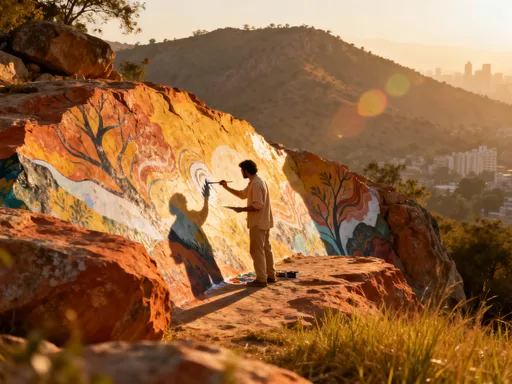
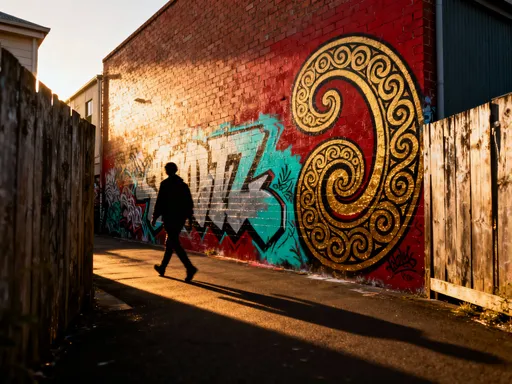
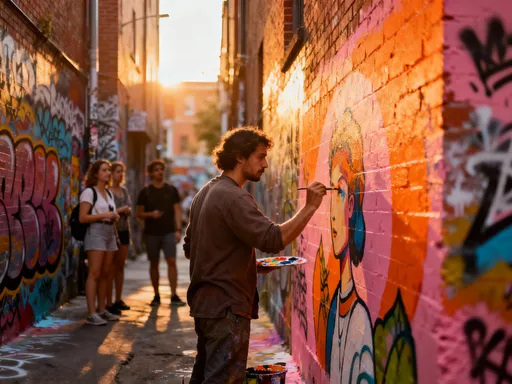
A walk through Karangahape Road, affectionately known as K’Rd, reveals a city that uses walls as canvases for dialogue. Once an overlooked inner-city strip, K’Rd has transformed into one of Auckland’s most vibrant artistic corridors, where every alleyway tells a story. Murals here are not random graffiti but carefully commissioned pieces that reflect social change, indigenous identity, and community resilience. One striking work by artist Kellie Dragovich on the side of a former hardware store depicts a taniwha (mythological being) emerging from swirling water, symbolizing the reawakening of Māori knowledge in urban spaces. Another by Reuben Lee honors the legacy of Chinese market gardeners who once farmed the area, their labor now embedded in the city’s soil and memory.
Ponsonby, just a short walk away, offers a different flavor—equally rich but more polished. Here, street art blends with boutique façades and café culture, yet retains its depth. A mural by Lisa Reihana, one of New Zealand’s most acclaimed contemporary artists, stretches across a warehouse wall, reimagining Pacific navigation through digital animation stills. Her work, often shown in international biennales, finds a home on the street, reminding locals and visitors alike that high art and public access need not be mutually exclusive. These pieces invite more than a quick photo—they invite reflection.
Guided street art walks, offered by organizations like Auckland Walking Tours and local iwi groups, help visitors understand the layers behind the visuals. Guides explain the significance of symbols, the history of the neighborhoods, and the intentions of the artists. They emphasize looking with respect rather than just capturing content for social media. Travelers are encouraged to listen, ask questions, and acknowledge the living culture they’re engaging with. This shift—from spectator to participant—transforms the experience from superficial to meaningful. It’s not about collecting images; it’s about building understanding.
Galleries with Soul: From Auckland Art Gallery to Hidden Studio Spaces
No cultural journey through Auckland is complete without a visit to the Auckland Art Gallery Toi o Tāmaki, the largest art institution in New Zealand. Housed in a striking blend of heritage and modern architecture, the gallery holds over 17,000 works, with a strong emphasis on Māori and Pacific art. Its permanent collection includes pieces by renowned artists like Ralph Hotere, Shane Cotton, and Lisa Reihana, whose digital video work *in Pursuit of Venus [infected]* reclaims colonial narratives through powerful imagery. The gallery’s curatorial approach is thoughtful, providing context for sacred objects and ensuring that Māori voices lead the interpretation of their own art.
What sets Toi o Tāmaki apart is its commitment to accessibility. Free general admission allows all visitors, regardless of background, to engage with high-caliber art. Educational programs, family workshops, and multilingual audio guides make the experience inclusive, especially for older travelers who may appreciate a slower, more reflective pace. Temporary exhibitions often explore themes of identity, migration, and environmental change—topics that resonate deeply with adults navigating life transitions, caregiving, or personal reinvention.
Yet the city’s true artistic soul often lies beyond the main galleries. In the industrial pockets of Freemans Bay and Kingsland, converted warehouses host independent studios and pop-up exhibitions. Places like Objectspace, dedicated to craft and design, and Artspace Aotearoa, a non-profit gallery supporting experimental work, offer intimate encounters with cutting-edge creativity. One of the most exciting monthly events is First Thursdays, when studios across the city open their doors to the public. Artists welcome visitors into their private workspaces, sharing sketches, process notes, and personal stories. These moments of connection—standing beside a sculptor as they explain a half-finished piece, or watching a ceramicist shape clay with decades of skill—are what make Auckland’s art scene feel human and heartfelt.
Māori Culture in Motion: Experiencing Performing Arts and Craft
To witness Māori culture in action is to understand its living, breathing nature. Unlike static museum displays, performances such as kapa haka bring tradition into the present with rhythm, voice, and movement. These group performances, often seen at festivals, schools, or community events, combine song, dance, and chant to convey history, emotion, and tribal pride. The haka, while internationally recognized through sports, is just one expression within a broader repertoire that includes waiata-ā-ringa (action songs) and poi dances, traditionally performed by women using weighted balls on strings.
Travelers can experience kapa haka in various settings. The Auckland Museum’s cultural demonstrations offer accessible introductions, with performers explaining the meaning behind each movement. For a more immersive experience, some marae—traditional Māori meeting grounds—welcome visitors for educational visits. While full ceremonial protocols may not be open to the public, guided tours often include a powhiri (welcome ceremony), storytelling, and opportunities to see carvings and weavings up close. These visits emphasize respect: removing shoes, listening quietly, and following the lead of elders are small acts that show cultural appreciation.
Traditional crafts are equally vital. At the Māori Arts and Crafts Institute stall during the weekly Matakana Market, visitors can watch weavers create kete (baskets) from harakeke (flax), a practice passed down through generations. Carvers demonstrate how pounamu (greenstone) is shaped into hei tiki and other taonga (treasures), each piece imbued with spiritual significance. These artisans often share the stories behind their work—how a particular pattern honors an ancestor, or how a piece was made for a family milestone. Purchasing directly from them supports sustainable cultural practice and ensures authenticity.
Creative Neighborhoods: Where to Stay and Explore for Culture Lovers
For travelers seeking an art-infused stay, choosing the right neighborhood enhances the entire experience. Parnell, one of Auckland’s oldest suburbs, offers a refined blend of heritage charm and creative energy. Tree-lined streets are dotted with art galleries, antique shops, and boutique cafes. The Parnell Rose Garden and nearby Holy Trinity Cathedral provide serene backdrops, while the monthly Parnell Night Market brings local artisans, musicians, and food vendors together. Staying at a heritage hotel like The Parnell Hotel means sleeping within walls that have witnessed over a century of change, with contemporary Māori art displayed in common areas.
Newton, adjacent to the city center, is emerging as a hub for affordable creativity. Once an industrial zone, it now hosts artist studios, rehearsal spaces, and the historic Newton Rugby Club, which has been repurposed for community events. The area is well-connected by public transport and offers easy access to both the Auckland Art Gallery and Western Initiative, a nonprofit supporting urban Māori development. Accommodations range from eco-conscious B&Bs to serviced apartments, many decorated with works by local artists.
For those drawn to Pacific culture, Ōtāhuhu in South Auckland provides a powerful connection to community and heritage. Home to one of the largest Pacific populations in the world, the suburb celebrates its identity through vibrant murals, church choirs, and the annual Pasifika Festival—the largest Pacific cultural event globally. Staying here means engaging with daily life, visiting local markets, and hearing Samoan, Tongan, and Cook Islands Māori spoken on the streets. While fewer international hotels exist in this area, homestays and community-run guesthouses offer authentic, heartfelt hospitality.
How to Travel This Way: Tips for Meaningful Cultural Engagement
Traveling through Auckland with cultural intention requires a shift in mindset—from consumption to connection. It begins with curiosity: asking questions, listening more than speaking, and acknowledging that some knowledge is sacred and not meant to be shared freely. Visitors should seek out experiences led by Māori and Pacific guides, whose insights provide depth and accuracy. Companies like Real New Zealand Tours and Takaparawhā Tours offer culturally grounded itineraries that include storytelling, site visits, and craft demonstrations.
Purchasing art and crafts directly from creators ensures that value returns to the community. Look for authenticity: handmade pieces, artist signatures, and explanations of materials and symbolism. Avoid mass-produced souvenirs labeled as ‘Māori’ that lack provenance. Attending live events—gallery openings, community festivals, or church performances—also fosters connection. The Pasifika Festival, held every March at Western Springs, draws over 200,000 people and features dance, food, and art from Samoa, Tonga, Fiji, and other Pacific nations. It’s a joyful, family-friendly celebration that embodies the spirit of alofa (love) and fa’aletulafono (respect).
Practical considerations matter too. Wear comfortable shoes for walking tours, carry a reusable water bottle, and check event schedules in advance. Public transport, especially the AT Hop card, makes getting around easy and eco-friendly. Most importantly, allow time—slow travel allows for unexpected encounters, quiet observation, and deeper understanding. A single afternoon spent sketching in a park, chatting with a local artist, or sipping kawakawa tea at a market can become the most memorable part of a trip.
For women in their 30s to 50s—many of whom travel for renewal, connection, or personal growth—Auckland offers a rare blend of beauty, depth, and warmth. It’s a city that doesn’t shout but whispers, inviting you to lean in and listen. Its art is not just to be seen but felt, not just photographed but understood. By approaching it with respect and openness, travelers don’t just visit—they participate in a living culture.
In the end, to check in to Auckland is to check in to something greater: a conversation between past and present, between people and place, between silence and song. The murals, the carvings, the dances—they are not performances for tourists but expressions of identity, resilience, and belonging. They remind us that art is not decoration; it is memory, resistance, and hope. As you walk these streets, let the city’s colors guide you, its rhythms steady you, and its stories change you. This is not just a destination. This is a transformation waiting to unfold.